实验室论文
2026
Decomposing spatial and seasonal heterogeneity in fishing vessel accident loss severity: A Bayesian generalized beta distribution of the second kind approach
Reliability Engineering & System Safety, 278, 113486
SCI, JCR Q1, IF 13.7摘要
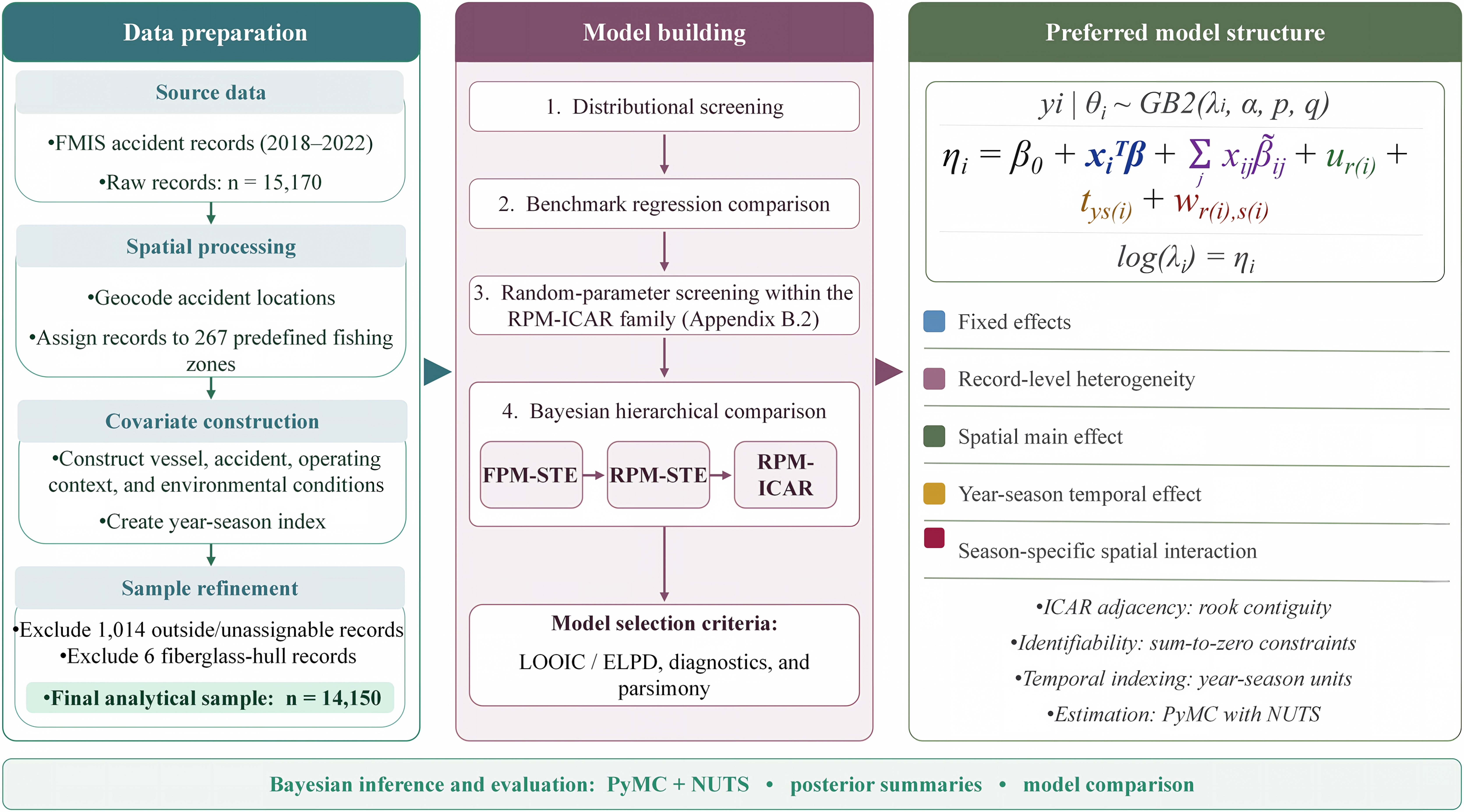
Fishing vessel accidents continue to generate substantial economic losses, yet factors associated with loss severity and its spatiotemporal variation remain insufficiently understood. This study models economic loss severity conditional on accident occurrence at the insured-vessel accident-record level. A Bayesian generalized beta distribution of the second kind (GB2) regression incorporates random parameters, structured spatial effects, year-season temporal effects, and season-specific spatial interactions. The analysis uses 14,150 accident records from fishing vessels registered in Zhoushan, Taizhou, and Wenzhou and located within the defined East China Sea study domain during 2018–2022. The framework accommodates the nonnegative, right-skewed, heavy-tailed deemed losses while separating observed covariate associations, record-level heterogeneity, persistent spatial structure, period-specific temporal anomalies, and season-specific spatial variation. Hierarchical model comparison supports the inclusion of record-level heterogeneity and structured spatial dependence. Capsize or sinking and fire or explosion show some of the largest positive associations with conditional loss severity and the greatest record-level heterogeneity. The decomposition identifies persistent baseline hotspots, period-specific temporal anomalies, and season-specific spatial severity hotspots. Posterior exceedance probabilities provide uncertainty-aware hotspot evidence. These results may inform differentiated and seasonally adaptive fisheries safety management.
Latent Diffusion Neural Fields for zero-shot and uncertainty-aware bearing remaining useful life prediction
Reliability Engineering & System Safety, 277, 113042
SCI, JCR Q1, IF 13.7摘要
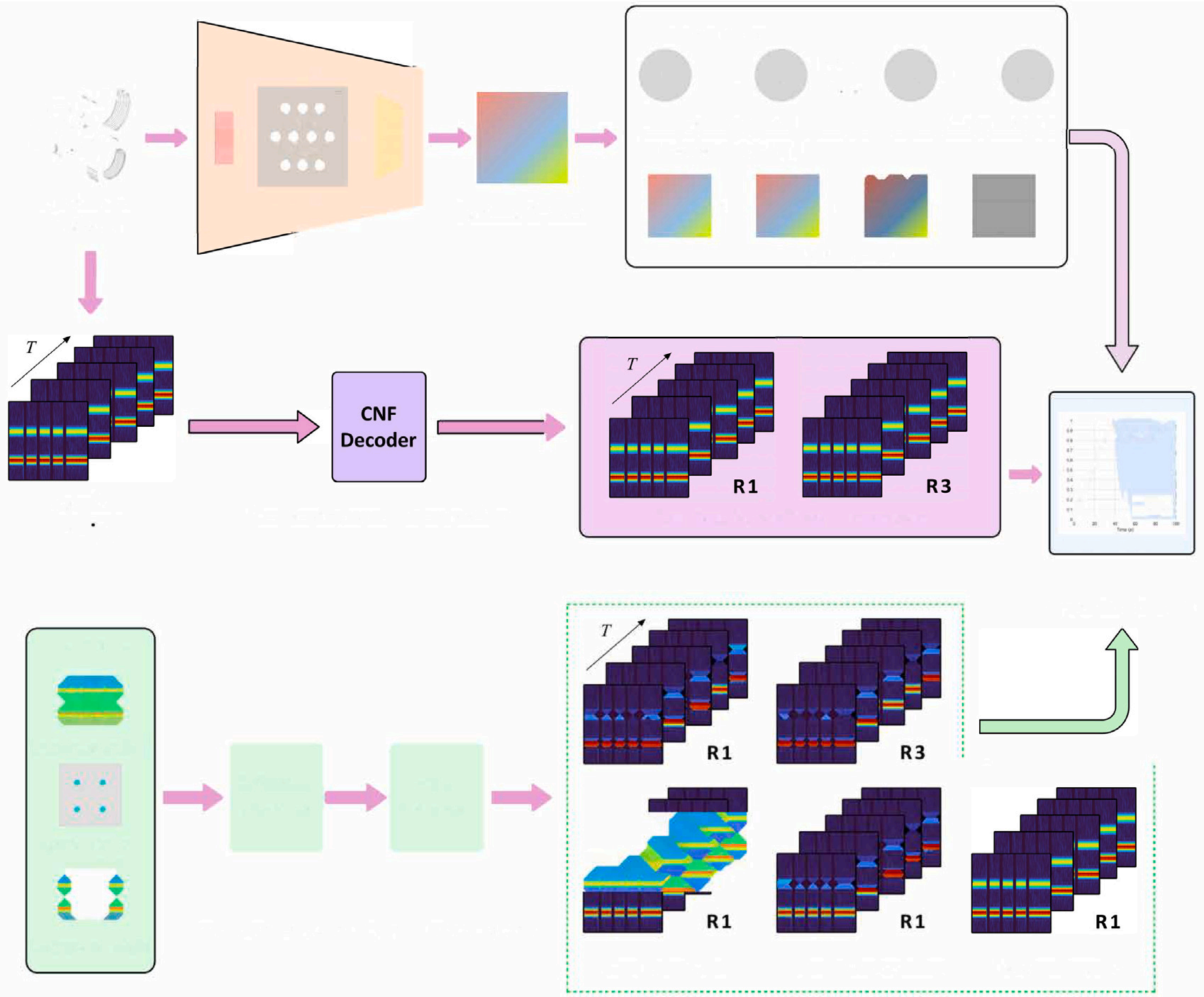
Remaining useful life (RUL) prediction for rolling bearings remains challenging under nonstationary degradation, sparse sensing, missing observations, and operating-condition shifts. Existing methods are predominantly formulated as deterministic regression on fixed observation grids, which limits their ability to handle irregular measurements, multimodal degradation evolution, and test-time adaptation. To address these limitations, this study reformulates bearing prognostics as conditional generation and posterior inference over a continuous time-frequency degradation field, and proposes a latent diffusion neural field (LDNF) framework for zero-shot and uncertainty-aware RUL prediction. A SIREN-based coordinate neural field is used to represent vibration responses continuously across time, frequency, and channel coordinates, while FiLM conditioning injects operating-state information to improve cross-condition consistency. On this basis, a latent diffusion model is trained to capture distributions of degradation trajectories in latent space rather than a single deterministic future path. During inference, posterior-guided sampling assimilates sparse, incomplete, or corrupted observations without retraining, enabling zero-shot adaptation to new bearings and observation patterns. Decoded future fields are mapped to monotonic health-index trajectories, and RUL is estimated through a first-passage-time criterion, yielding both point predictions and credible intervals. Experiments on the PRONOSTIA benchmark show that the proposed framework consistently outperforms representative statistical, machine-learning, and deep-sequence baselines in terms of point prediction accuracy and probabilistic quality. In addition, it provides a unified capability for super-resolution reconstruction, cross-channel synthesis, missing-data restoration, and calibrated uncertainty quantification, demonstrating strong potential for risk-aware maintenance under realistic monitoring constraints.
Wait or cross? Understanding the influence of behavioral tendencies, trust, and risk perception on pedestrian gap-acceptance of automated truck platoons
Transportation Research Part F: Traffic Psychology and Behaviour, 120, 103660
SCI, JCR Q1, IF 5.0摘要
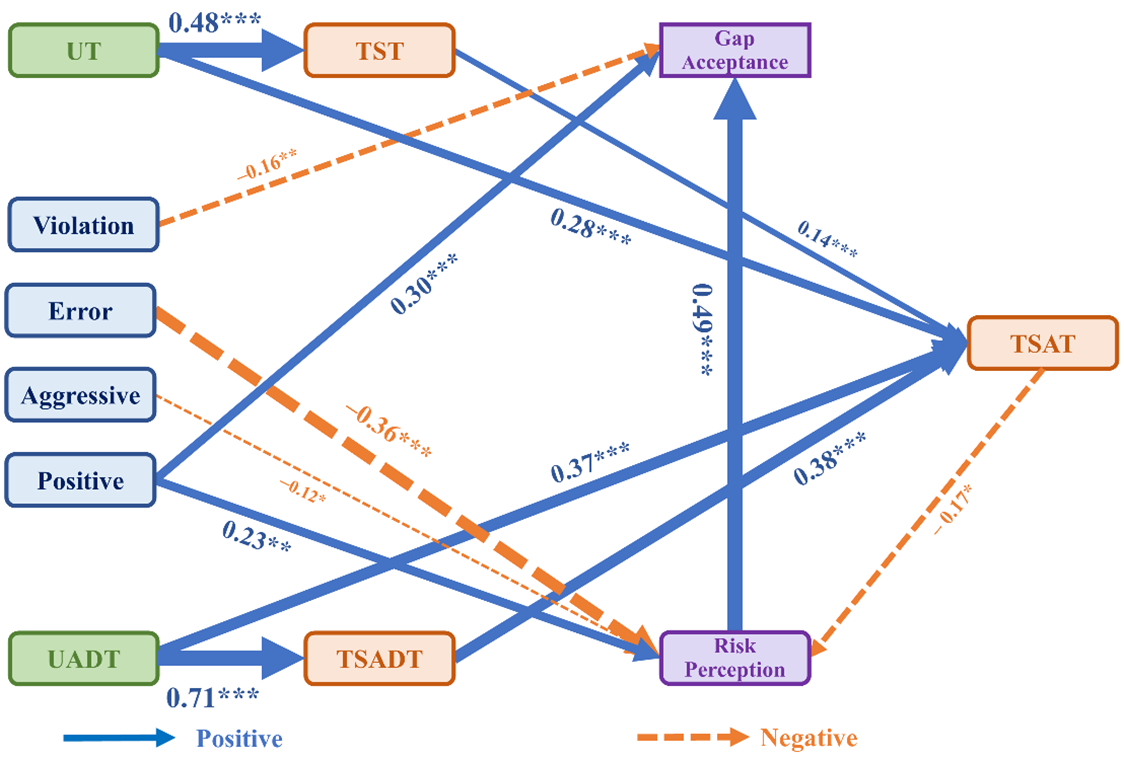
Although automated trucks have the potential to improve freight efficiency, reduce operating costs, and address driver shortages, the convoying of two or more trucks has raised considerable concerns around pedestrian safety. This study conducted a controlled experiment to examine the influence of behavioral tendencies, trust, and risk perception on pedestrian intention to cross in front of an automated truck platoon. A total of 603 subjects participated in a virtual reality video-based questionnaire survey. By fusing the merits of structural equation modeling and artificial neural networks, a two-stage, hybrid model was developed to examine complex relationships between latent variables and gap-acceptance behaviors. Our results indicated that the subjects watched an average of five vehicle gaps before starting crossing and the average time gap accepted was about 5.35 seconds. Risk perception not only played the dominant role in shaping pedestrian crossing decisions, but also fully mediated the effects of behavioral tendencies and trust on gap acceptance. Participants who frequently violated traffic rules were more likely to accept a smaller time gap, while those who showed positive behaviors toward other road users tended to wait for a larger time gap. Participants who often committed errors, showed aggressive behaviors, and held greater trust in the safety of automated trucks generally reported a lower level of perceived risk of road-crossing in front of automated truck platoons. Building on these findings, a range of tailored countermeasures were proposed to ensure safer and smoother interactions between pedestrians and automated truck platoons.
Bayesian spatio-temporal modeling of Arctic maritime incidents with integrated nested Laplace approximation
Reliability Engineering & System Safety, 275, 112864
SCI, JCR Q1, IF 13.7摘要
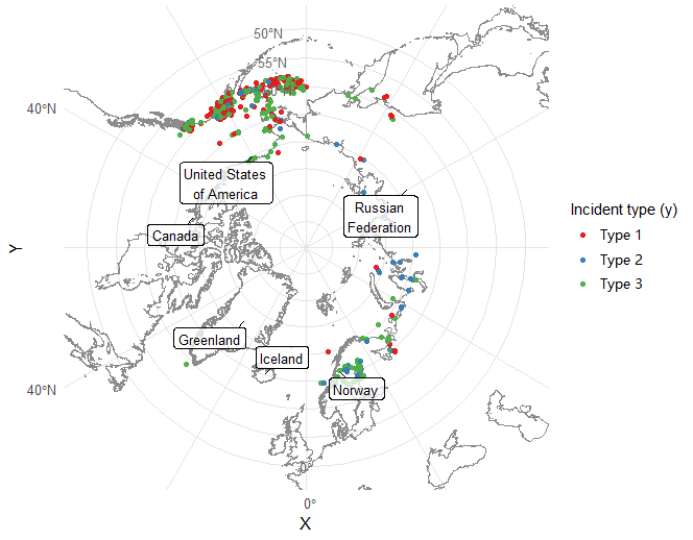
Rapid environmental change and increased vessel activity have reshaped the risk landscape of Arctic maritime transportation. Understanding how different types of maritime incidents are distributed across space and evolve over time is essential for effective safety management in this highly heterogeneous environment. This study develops a Bayesian spatio-temporal framework to examine the relative propensity of Arctic maritime incident types from 2005 to 2017. Latent spatial and spatio-temporal dependence is represented through an INLA–SPDE approach, enabling efficient inference of temporally correlated spatial risk surfaces from sparse and irregularly distributed incident data. Model comparison indicates that incorporating spatio-temporal dependence improves interpretability and robustness. The preferred spatio-temporal AR(1) model reveals pronounced non-stationarity in incident-type composition, with shifting hotspots, regional sign reversals, and distinct temporal persistence. Results further indicate that vessel characteristics, route exposure, and seasonal conditions systematically influence incident-type composition after controlling for spatio-temporal effects. With mechanical failure as the reference incident type, collision-related incidents exhibit more diffuse, corridor-oriented patterns, whereas loss-of-control–related incidents display larger-amplitude spatio-temporal random effects, stronger localization and temporal sensitivity. This study advances Arctic maritime risk research toward explicit spatio-temporal mechanism inference and supports adaptive, region-specific safety management.
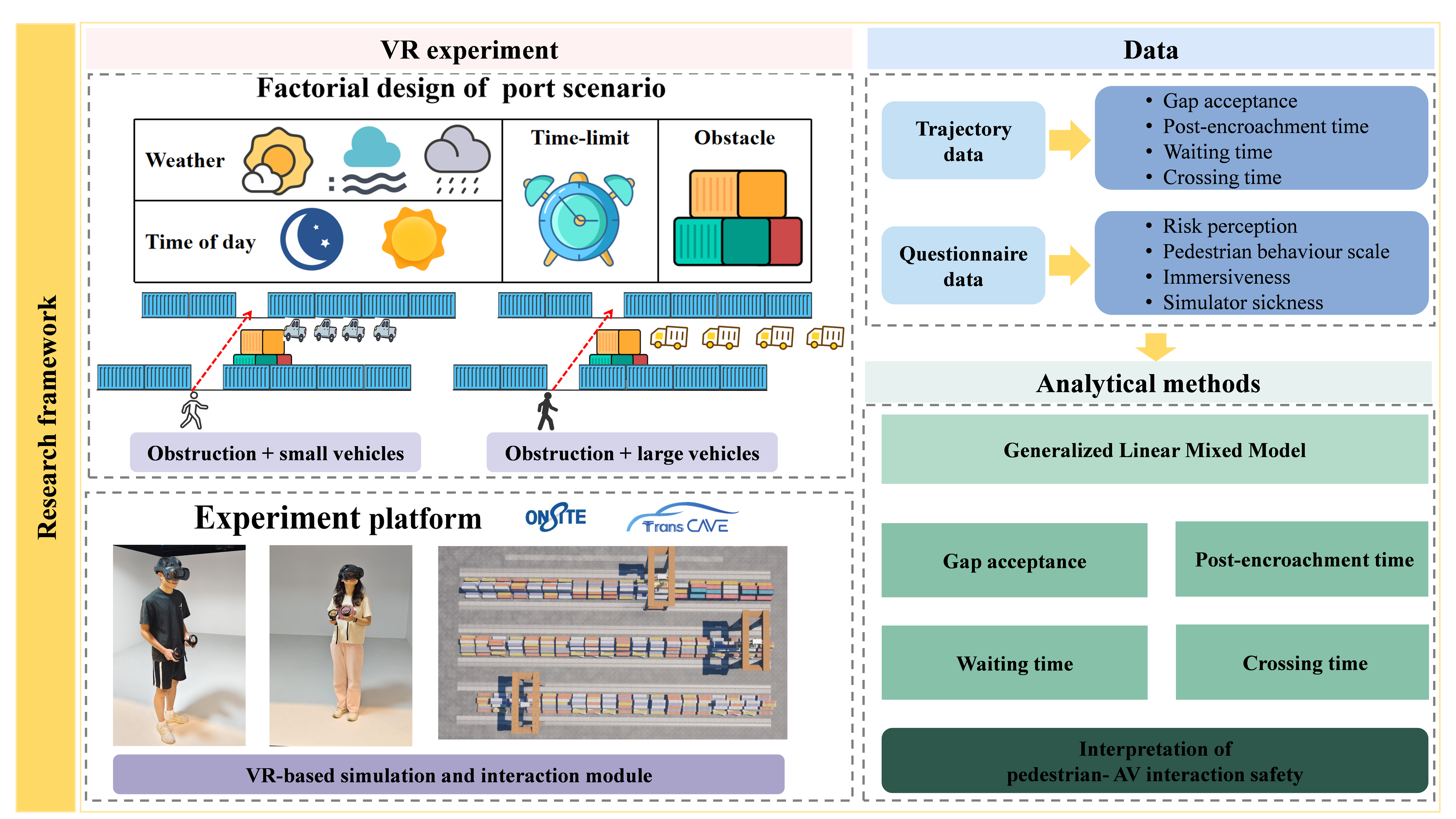
Enhancing safety in automated ports: A virtual reality study of pedestrian–autonomous vehicle interactions under time pressure, visual constraints, and varying vehicle size
Transportation Research Interdisciplinary Perspectives, 37, 102041
ESCI, JCR Q2, IF 4.8摘要
Autonomous driving improves traffic efficiency but presents substantial safety challenges in complex port environments, where pedestrians and autonomous vehicles often interact amid low lighting, adverse weather, stacked containers, heavy machinery, and large industrial vehicles operating in confined shared spaces. This study investigates how environmental factors, traffic characteristics, and pedestrian attributes influence interaction safety between autonomous vehicles and pedestrians in ports. Using virtual reality simulations of typical port scenarios, 33 participants completed pedestrian crossing tasks under varying visibility, vehicle sizes, and time pressure conditions. Results indicate that low-visibility conditions, partial occlusions, and larger vehicle sizes significantly increase perceived risk, prompting pedestrians to wait longer and accept larger gaps. Specifically, pedestrians tended to accept larger gaps and waited longer when interacting with large autonomous truck platoons, reflecting heightened caution due to their perceived threat. However, local obstructions also reduce post-encroachment time, compressing safety margins. Individual attributes such as age, gender, and driving experience further shape decision-making, while time pressure undermines compensatory behaviors and increases risk. Based on these findings, safety strategies are proposed, including installing wide-angle cameras at multiple viewpoints, enabling real-time vehicle-infrastructure communication, enhancing port lighting and signage, and strengthening pedestrian safety training. This study offers practical recommendations for improving the safety and deployment of vision-based autonomous systems in port settings.
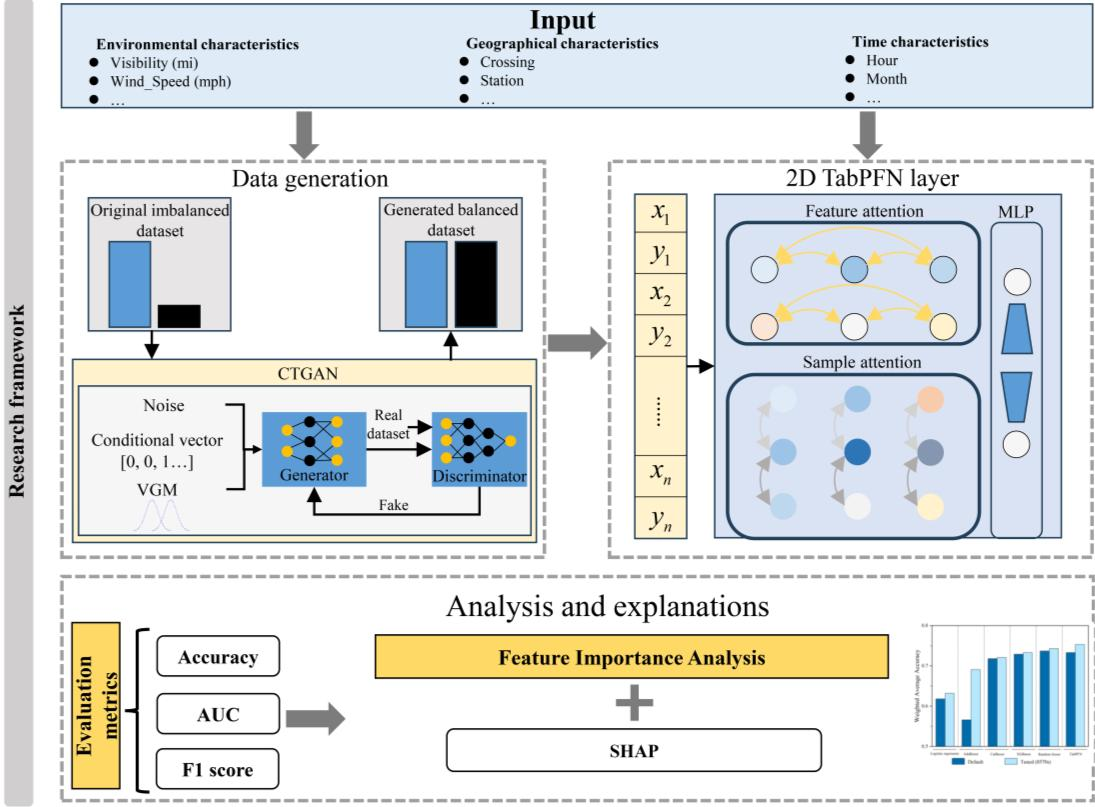
Modeling Traffic Crash Severity in Complex Transportation Systems: An Efficient and Interpretable Tabular Learning Framework Under Class Imbalance
Systems, 14(5), 548
SSCI, JCR Q1, IF 3.9摘要
Accurately predicting traffic crash severity is critical for intelligent transportation systems, where outcomes emerge from the interaction of infrastructure, environment, traffic control, and human behavior. However, existing approaches face three key challenges: severe class imbalance, computational inefficiency, and limited support for system-level risk understanding. To address these issues, this study proposes a unified and system-aware framework integrating Conditional Tabular Generative Adversarial Network (CTGAN), Tabular Prior-data Fitted Network (TabPFN), and eXplainable Artificial Intelligence (XAI) methods for data augmentation, efficient prediction, and interpretable analysis. CTGAN enhances rare but critical crash states while preserving feature dependencies; TabPFN enables accurate multi-class prediction with limited dataset-specific tuning; and XAI methods quantify the influence of key factors and their interactions. Experiments on a real-world crash dataset from Boston show that the proposed framework achieves competitive predictive performance with less reliance on dataset-specific hyperparameter tuning, while also providing complementary interpretability results from multiple perspectives. The results further reveal that crash severity is jointly shaped by visibility, traffic control, roadside features, and temporal dynamics, highlighting the interconnected nature of risk within the transportation system. By integrating predictive modeling with complementary interpretability analysis, the framework provides a systems-oriented basis for examining how environmental, infrastructural, and temporal conditions jointly relate to crash severity in the studied urban crash data, while offering a methodological reference for broader safety applications that require further validation.
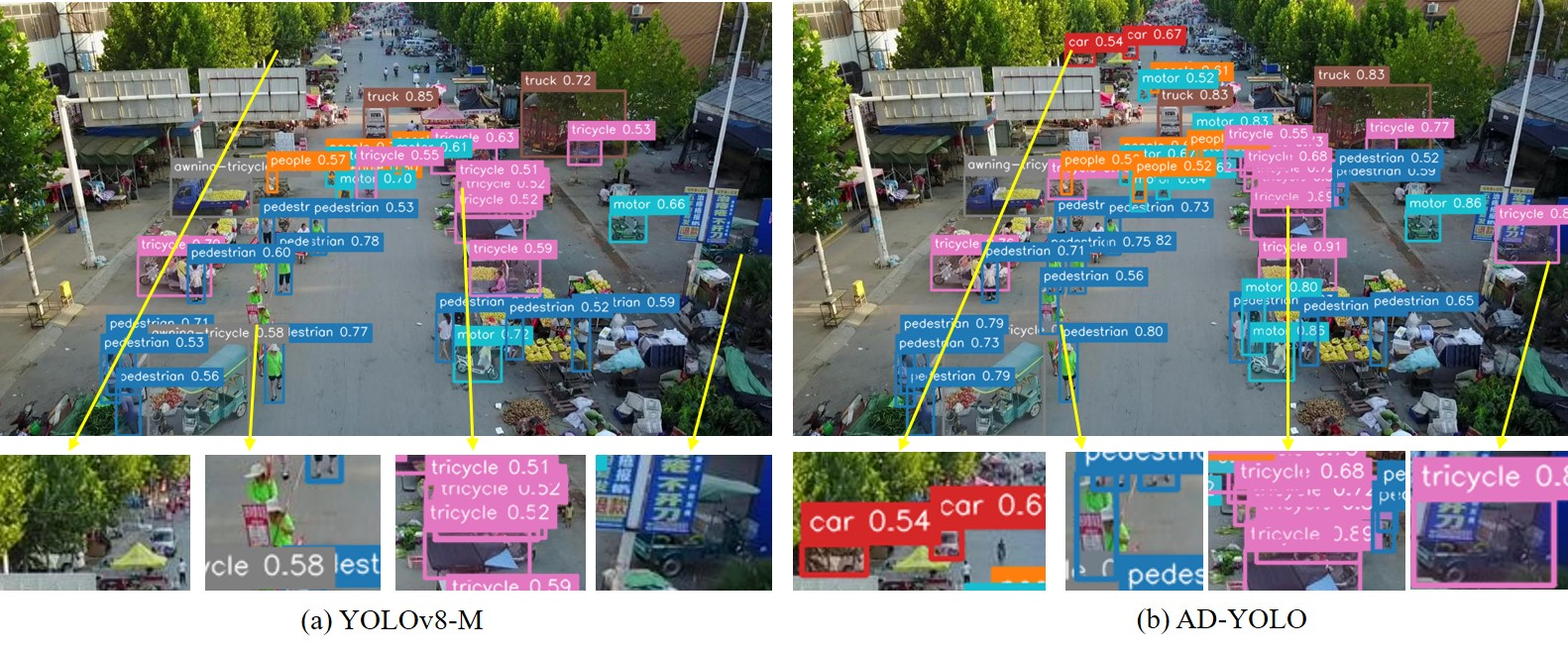
AD-YOLO: A Unified Method for Traffic-Dense and Small Object Detection in UAV Images
Drones, 10(5), 338
SCI, JCR Q1, IF 5.2摘要
The densely distributed, scale-varying objects in unmanned aerial vehicle (UAV) images, together with their dynamic, diverse, and unconstrained backgrounds, make conventional detection methods prone to missed detections, false alarms, and localization biases. To improve UAV vision tasks, we propose AD-YOLO, a unified method tailored for small object detection in traffic-dense settings. First, a module combining an adaptive rotation convolution unit and grouped directional attention with mixed-kernel features is introduced to enhance the model’s orientation invariance and multi-scale discrimination. Then, a dual-path collaborative feature pyramid network is proposed to jointly refine the model’s semantic and spatial details via a multi-directional context aggregation path and a hierarchical semantic progressive fusion path. Last, a hierarchically dense reparameterized large-kernel module is designed to produce broader receptive fields with reduced computational complexity. Extensive experiments on the VisDrone2019 and UAVDT datasets demonstrate that AD-YOLO outperforms state-of-the-art methods in detection accuracy while maintaining favorable computational efficiency.
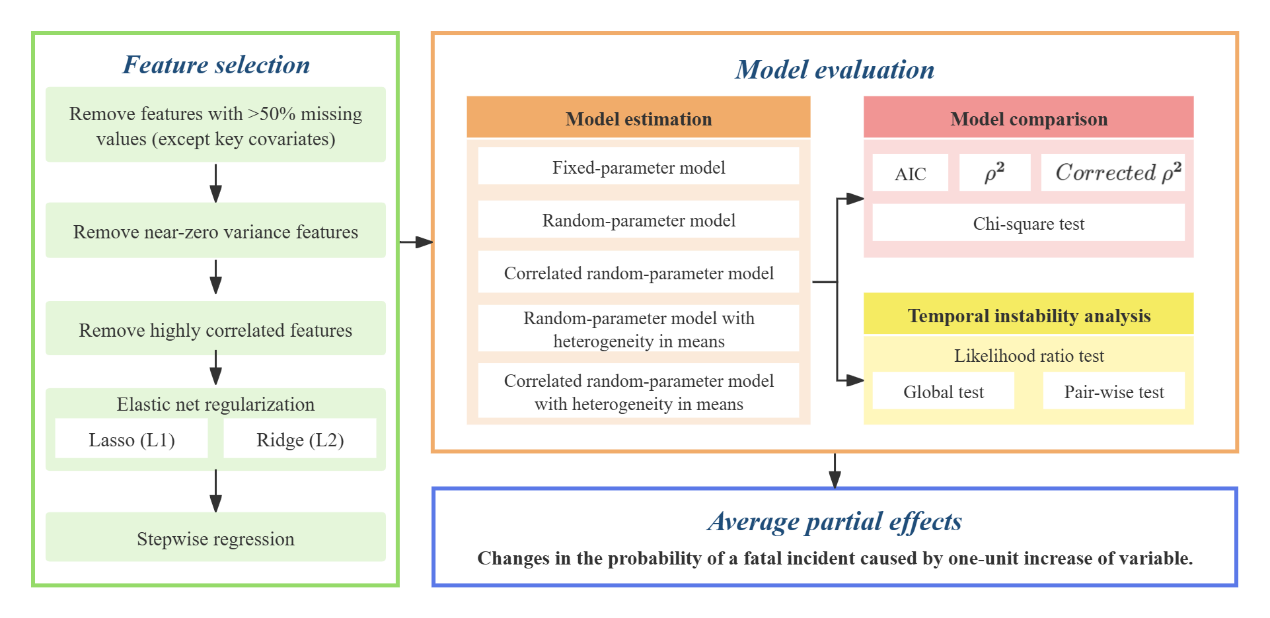
Temporal instability analysis of fatal commercial fishing vessel incidents: A correlated random-parameter model with heterogeneity in means
Reliability Engineering & System Safety, 274, 112423
SCI, JCR Q1, IF 13.7摘要
Fatal commercial fishing vessel incidents remain a critical global safety challenge, yet empirical understanding of their underlying determinants is limited by strong unobserved heterogeneity, correlated risk mechanisms, and temporal instability in covariate effects. This study examines how the influence of contributory factors has changed over time using 23 years of data from the U.S. Commercial Fishing Incident Database. A correlated random-parameter logit model with heterogeneity in means is developed to capture unobserved heterogeneity, parameter correlation, and context-dependent variability in risk effects. Temporal instability is assessed through both global and pairwise likelihood ratio tests across five sub-periods. The results demonstrate significant temporal non-stationarity. Weather-related conditions and the absence of a mayday call consistently increase fatality risk across multiple periods. In earlier years, capsizing events and human factors were more influential, reflecting the prominent role of vessel stability and crew performance in early-stage incident outcomes. The use of an EPIRB to send a mayday signal appears as a random parameter in several periods, and its effect varies with ship age, weather conditions, and struck events, indicating that latent operational and behavioral factors shape its effectiveness. Overall, the proposed model achieves superior statistical fitting, improved interpretability, and richer behavioral insights compared with fixed-parameter or standard random-parameter models. The findings highlight the need for time-sensitive and risk-adaptive safety interventions, with recommendations to strengthen communication reliability, emergency preparedness, and context-specific safety management in the commercial fishing sector.
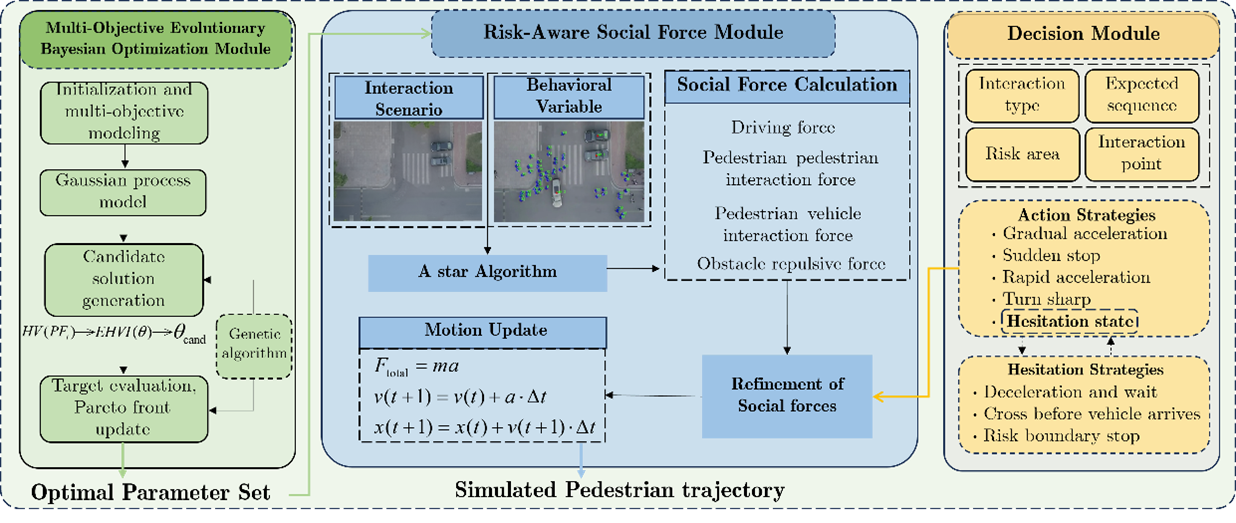
Risk-aware pedestrian-vehicle interaction: A multi-objective Bayesian optimized social force model
Transportmetrica A: Transport Science, 1-49
SCI/SSCI, JCR Q2, IF 3.9摘要
Accurate simulation of pedestrian–vehicle interactions is essential for urban planning, autonomous driving, and traffic safety analysis. Beyond simulation accuracy, there is a growing need for simulation frameworks that are physically grounded, interpretable, and capable of representing risk-aware decision-making processes. However, traditional physics-based microscopic models, such as Social Force Models (SFMs), often struggle to represent realistic interaction behavior due to oversimplified assumptions, static parameter tuning, and limited consideration of risk perception. To overcome these limitations, this study proposes Risk-Aware SFM for interpretable and physics-consistent behavioral simulation, which incorporates a velocity-difference-based risk perception mechanism and an adaptive interaction decision-making module. These enhancements enable the model to dynamically adjust pedestrian behavior in response to vehicle movements and contextual traffic conditions. To ensure robust performance across various traffic scenarios, a multi-objective Evolutionary Bayesian Optimization (EBO) framework is introduced to jointly calibrate key model parameters based on two complementary criteria: trajectory accuracy, measured by Average Displacement Error (ADE), and interaction realism, measured by Relative Post-Encroachment Time Error (RPETE). Extensive experiments on two real-world datasets, CITR and DUT, demonstrate that the proposed framework consistently improves both trajectory realism and behavioral fidelity compared with existing SFM variants. The proposed multi-objective calibration strategy effectively balances competing objectives while maintaining strong adaptability in both structured and unstructured environments. Overall, the proposed model provides a transparent, data-efficient, and scalable simulation framework for modeling pedestrian–vehicle interactions under risk-aware and context-sensitive conditions, offering a valuable foundation for safety-oriented traffic simulation and scenario analysis in intelligent transportation systems.
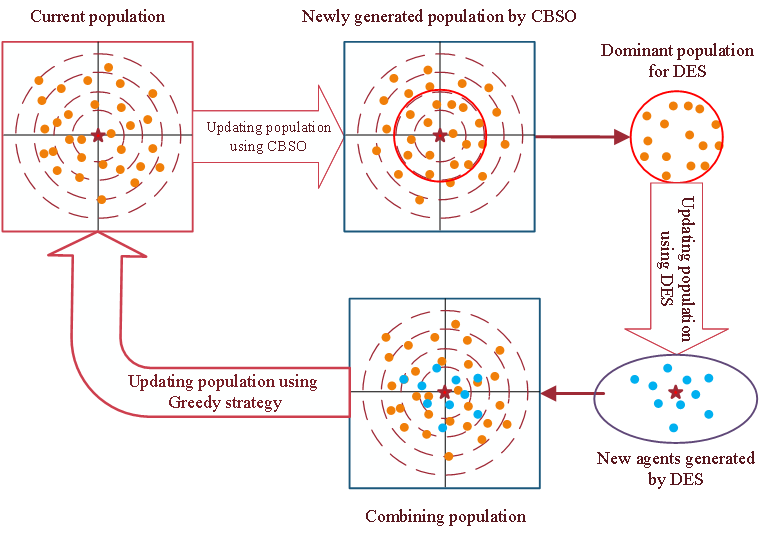
An enhanced connected banking system optimizer with multiple strategies for numerical optimization problems
Scientific Reports, 16, 12564
SCI, JCR Q1, IF 4.9摘要
Connected Banking System Optimizer (CBSO) is a recently proposed meta-heuristic inspired by inter-bank financial transactions. Owing to its parameter-free nature, it has shown competitive performance on engineering constrained optimization problems. Nevertheless, the CBSO algorithm still suffers from limited inter-population information exchange and an insufficiently smooth transition between exploitation and exploration, which often leads to premature convergence due to inadequate coverage of the search space. To address these shortcomings, this paper presents an enhanced variant called ECBSO that integrates a feedback selection strategy, a regenerative population strategy, and a distribution estimation strategy. Comprehensive experiments were conducted on the CEC-2017 benchmark suite to evaluate ECBSO, encompassing parameter sensitivity analysis, ablation studies, and comparisons with various advanced variants. Statistical validation was performed using the Wilcoxon rank-sum test, Friedman test, and Nemenyi post-hoc test to confirm ECBSO’s superiority over competing algorithms. The experimental results demonstrate that ECBSO possesses high optimization efficacy and robustness, achieving average Friedman ranks of 2.103 (10D), 1.586 (30D), 1.828 (50D), and 2.103 (100D). Finally, ECBSO was applied to ten real-world engineering constrained optimization problems. The outcomes show that it not only solves practical problems effectively but also maintains remarkable stability, establishing ECBSO as an outstanding meta-heuristic variant.
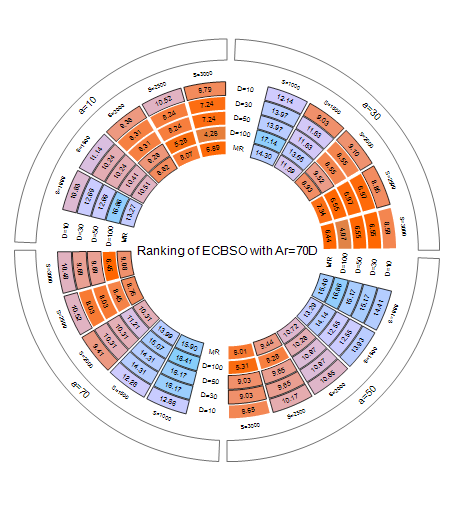
An enhanced connected banking system optimizer incorporating triple mechanism for solving global optimization problems
Scientific Reports, 16, 7747
SCI, JCR Q1, IF 4.9摘要
Connected Banking System Optimizer (CBSO) is a recently proposed meta-heuristic inspired by inter-bank financial transactions. It models inter-bank transaction behaviors across four sequential stages, collectively balancing exploration and exploitation. When confronted with complex landscapes, however, CBSO exposes three critical weaknesses: limited global-search capacity, an abrupt phase switch that disrupts the exploitation-exploration balance, and a pronounced tendency toward premature stagnation. These shortcomings become more conspicuous as problem complexity rises, undermining the algorithm’s ability to locate the true optimum. To overcome these deficiencies, this paper presents an enhanced variant—ECBSO—which incorporates three complementary mechanisms: dominant group guidance strategy, guided learning strategy, and hybrid elite strategy. The ECBSO algorithm is comprehensively evaluated on the CEC 2017 benchmark suite and on real-world constrained engineering problems, outperforming CBSO, ISGTOA, EMTLBO, LSHADE, APSM-jSO, GLS-MPA, ESLPSO, ACGRIME, RDGMVO in all comparisons. Statistically, ECBSO secures first place across every test case, delivering Friedman ranks of 2.069, 2.138, 2.690, and 2.759, thereby confirming its superior convergence accuracy, search reliability, and optimization precision across diverse landscapes.
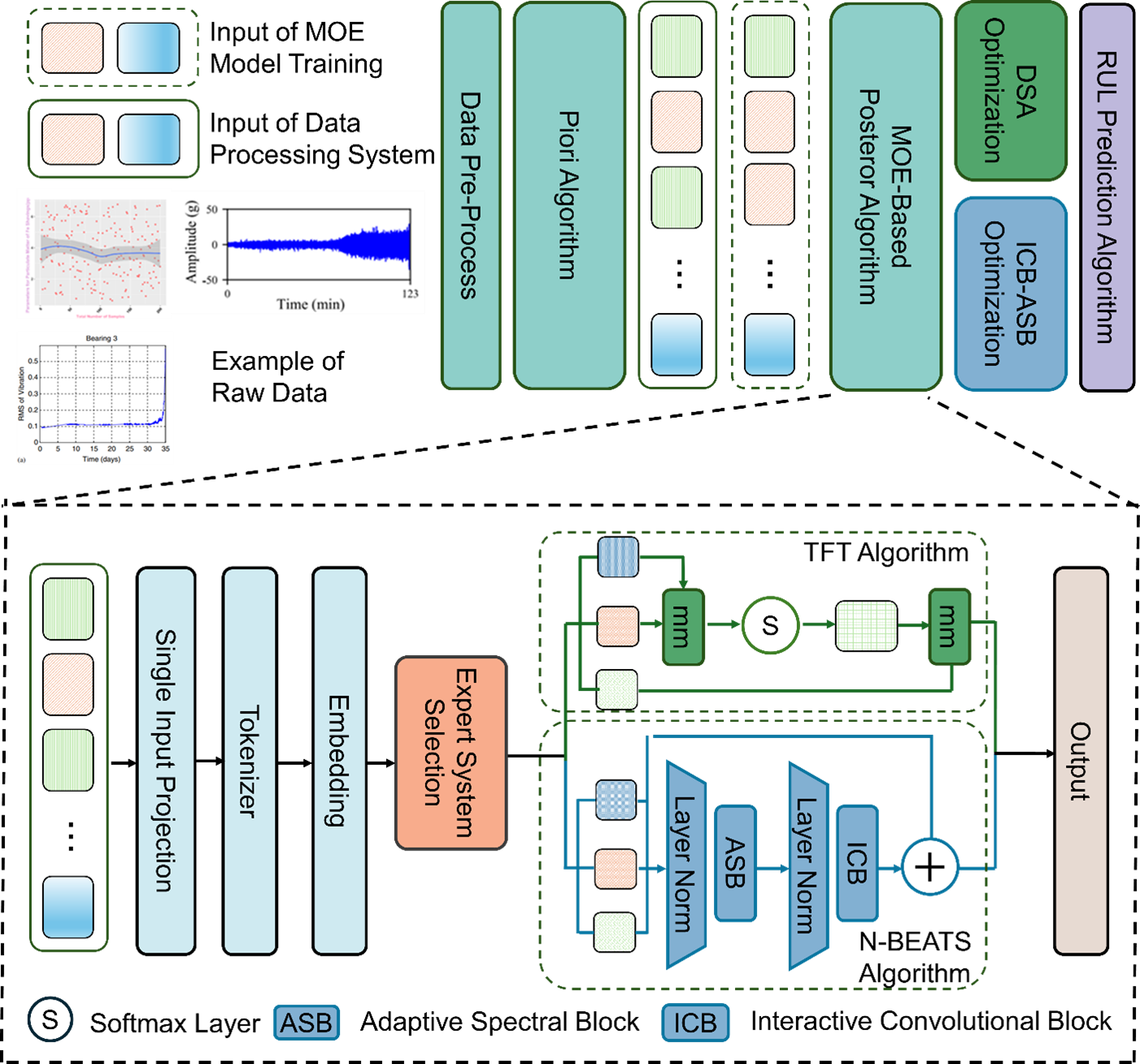
A mixture-of-experts prior–posterior fusion framework for predicting the remaining useful life of aerospace high-speed bearings
Neurocomputing, 670, 132601
SCI, JCR Q1, IF 6.7摘要
Accurate prediction of the Remaining Useful Life (RUL) of aerospace high-speed bearings is critical for optimizing maintenance schedules and ensuring the operational reliability of aero-engines. Despite significant advances, existing methods struggle with early fault detection, the integration of multimodal data, and the interpretability of results. In this study, we propose a hybrid prior–posterior fusion framework designed to address these challenges. The prior phase employs an exponential degradation model, coupled with statistical slope significance testing, to detect early-stage faults with high interpretability. The posterior phase integrates a dual-branch deep learning architecture: the Dynamic Sparse Attention-based Temporal Fusion Transformer (DSA-TFT) and the Interactive Convolutional Block with Adaptive Spectral Branch-enhanced N-BEATS (ICB-ASB-N-BEATS), which are fused using a novel Moirai Mixture-of-Experts (Moirai-MoE) mechanism. This self-correcting framework continuously calibrates predictions based on real-time data, providing both early fault detection and robust long-term RUL predictions. Extensive validation on the IMS and XJTU datasets demonstrates a 12% improvement in prediction accuracy and a RUL error within ±8%, outperforming existing state-of-the-art methods.
2025
Multimodal mechanical wear fault diagnosis: Fusion of signal characterization and image information
Results in Engineering, 28, 107204
ESCI, JCR Q1, IF 9.4摘要
In the industrial sector, diagnosing bearing metal surface wear faults presents several challenges, including limited data sources, difficulty in detecting small defects, and redundancy in fault modes. The main goals of the research are to improve the detection accuracy of small wear defects, solve the problem of multi-scale defect localization, and achieve effective fusion of signal and image information. The method is based on the YOLOv8 architecture, utilizing the Faster-EMA backbone network and incorporating a multi-scale, lightweight channel-spatial attention mechanism to accurately localize defects of different scales. Meanwhile, the KernelWarehouse method is introduced to dynamically optimize convolutional kernels, enabling adaptation to changing industrial conditions and significantly improving feature extraction for wear modes such as cracks, pitting, and scratches. A novel Inner-MPDIoU loss function is proposed to enhance bounding box regression accuracy by jointly optimizing center distance and minimum envelope deviation. For comprehensive failure analysis, parallel Transformer branches process synchronized time-frequency domain signals, with cross-modal feature fusion achieved through a self-attention mechanism, achieving a detection accuracy of 82.8% and a real-time processing speed of 12.2 ms/plot. Compared with existing methods, the mean average precision (mAP) is improved by 7.1%, and the accuracy of failure mode diagnosis increases by 20.5%. This study offers an effective solution for industrial predictive maintenance, enhancing the reliability and efficiency of wear fault detection in real-world scenarios.
Varying effects of risk factors on economic losses from fishing vessel accidents: A Bayesian random-parameter quantile regression with heterogeneity in means
Reliability Engineering & System Safety, 266, 111690
SCI, JCR Q1, IF 13.7摘要
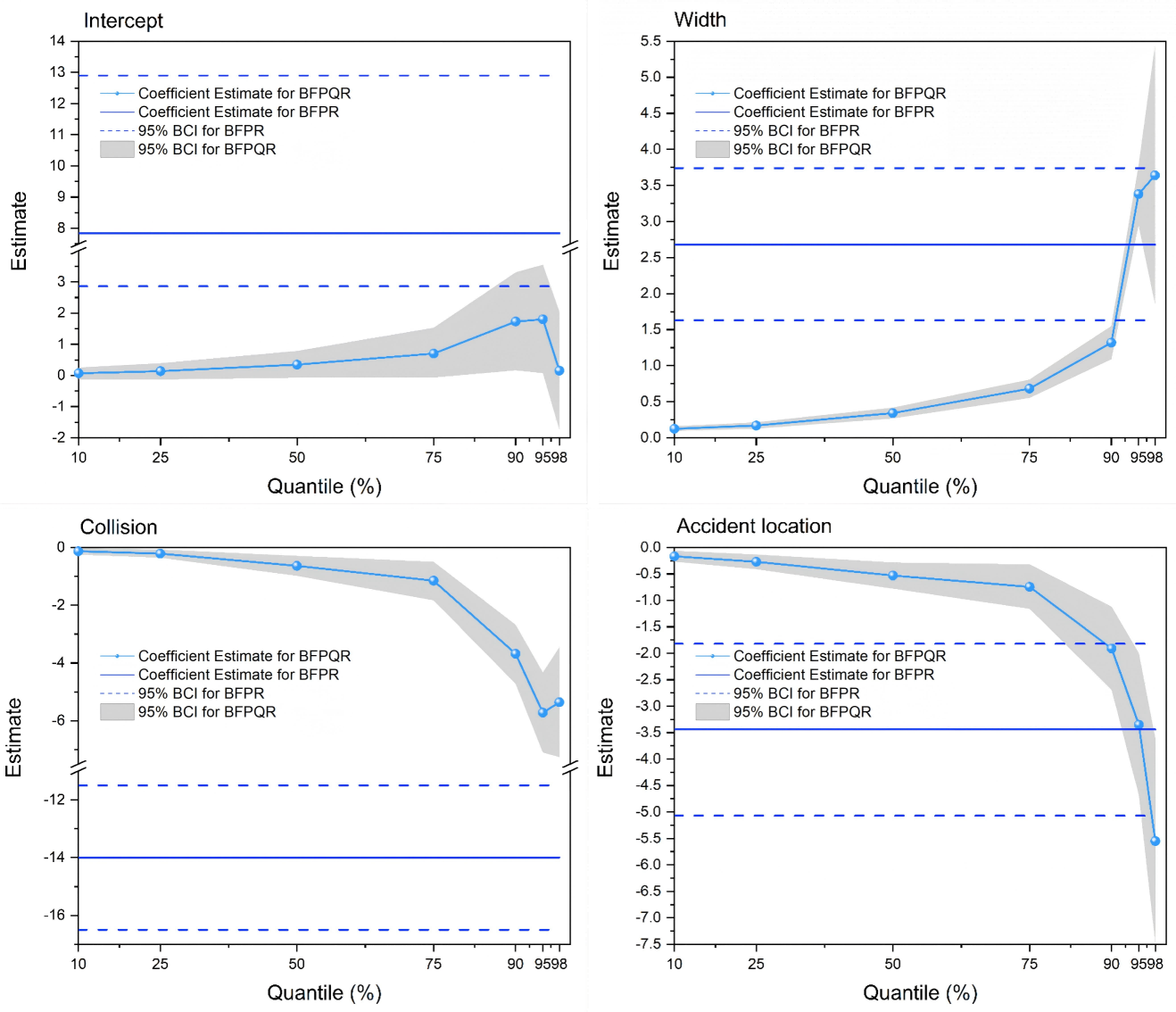
Understanding the determinants of economic loss in fishing vessel accidents is crucial for maritime risk assessment and policy development. This study proposes a Bayesian Random-Parameter Quantile Regression with Heterogeneity in Means (BRPQRHM) framework, and compares it with the Bayesian fixed-parameter regression (BFPR), Bayesian fixed-parameter quantile regression (BFPQR), and Bayesian random-parameter quantile regression (BRPQR) to investigate the varying and heterogeneous effects of vessel, environment, and accident-related factors on economic loss. The proposed approach addresses key limitations of conventional models by offering three major advantages by enabling a richer characterization of covariate effects across quantiles, improving robustness to outliers in heavy-tailed and skewed data, and accounting for unobserved heterogeneity through random parameters influenced by covariates. Using a dataset of fishing vessel accidents in Ningbo waters, the results demonstrate substantial variations in covariate effects across quantiles and highlight the superiority of quantile regression in modeling the skewed and heavy-tailed distribution of economic losses. The BRPQR and BRPQRHM models significantly improve model fit at higher quantiles and reveal that the effects of variables such as human errors and crew qualifications are probabilistic rather than fixed. In particular, the BRPQRHM model at the 98% quantile captures complex interactions between crew effects and contextual factors, including vessel width, visibility, and accident type. These findings underscore the importance of accounting for the unobserved heterogeneity and provide novel insights into the risk factors associated with severe fishing vessel accidents.
Enhanced YOLOv8 with DWR-DRB and SPD-Conv for mechanical wear fault diagnosis in aero engines
Sensors, 25(17), 5294
SCI, JCR Q2, IF 4.0摘要
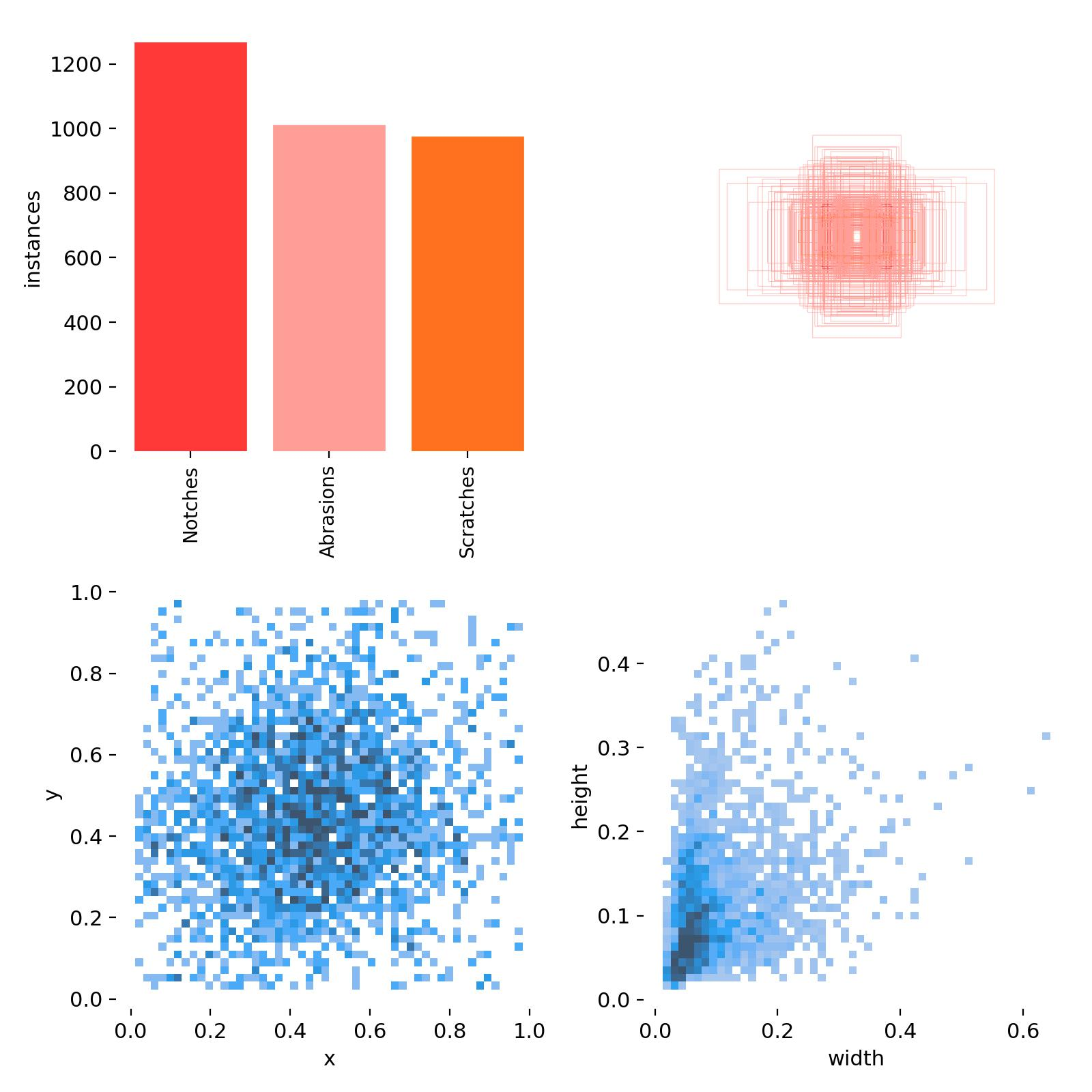
Aero-engines, as complex systems integrating numerous rotating components and accessory equipment, operate under harsh and demanding conditions. Prolonged use often leads to frequent mechanical wear and surface defects on accessory parts, which significantly compromise the engine’s normal and stable performance. Therefore, accurately and rigorously identifying failure modes is of critical importance. In this study, failure modes are categorized into notches, scuffs, and scratches based on original bearing structure images. The YOLOv8 architecture is adopted as the base framework, and a Dilated Reparameterization Block (DRB) is introduced to enhance the Dilation-Wise Residual (DWR) module. This structure uses a large convolutional kernel to capture fragmented and sparse features in wear images, ensuring a wide receptive field. The concept of structural reparameterization is incorporated into DWR to improve its ability to capture detailed target information. Additionally, the standard convolutional layer in the head of the improved DWR-DRB structure is replaced by Spatial-Depth Convolution (SPD-Conv) to reduce the loss of wear morphology and enhance the accuracy of fault feature extraction. Finally, a fusion structure combining Focaler and MPDIoU is integrated into the loss function to leverage their strengths in handling imbalanced classification and bounding box geometric regression. The proposed method achieves effective recognition and diagnosis of mechanical wear fault patterns. Experimental results demonstrate that, compared to the baseline YOLOv8, the proposed method improves the mAP50 for fault diagnosis and recognition from 85.4% to 91%.
Enhancing multimodal fault diagnosis in mechanical systems via mixture of experts
Complex & Intelligent Systems, 11, 425
SCI, JCR Q2, IF 4.5摘要
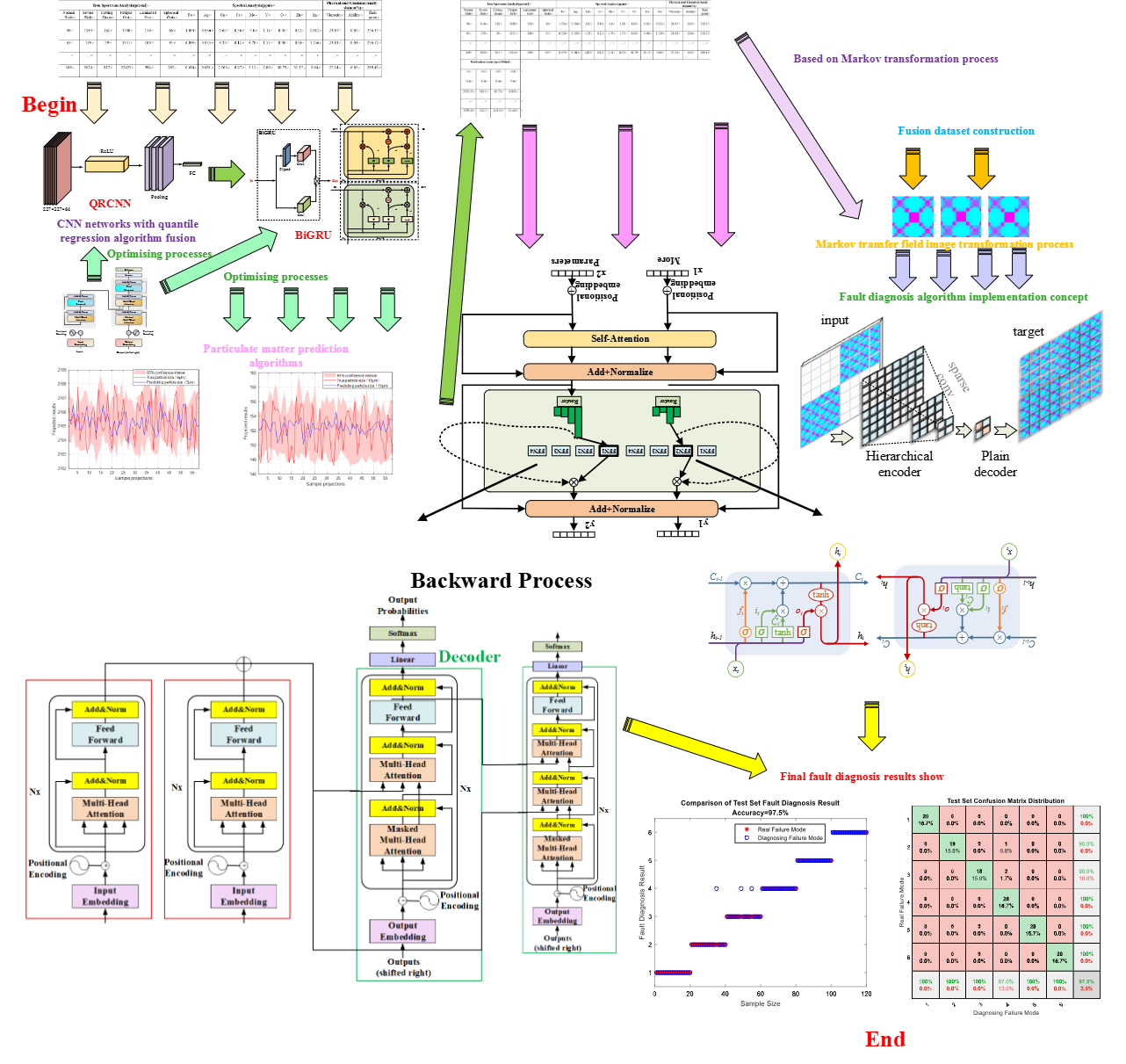
Mechanical wear occurs during the operating cycle of all types of complex machinery. In this paper, the spectral, ferro-spectral, physical, and chemical analyses, along with onboard particle counting characteristics under laboratory conditions, are taken as small sample datasets. Wasserstein Generative Adversarial Network (WGAN) is used as the regeneration algorithm model for raw data, and the composite dataset with richer semantic information is used as input. A one-dimensional representation of the composite data is transformed into a two-dimensional image containing richer static information using the Markov Transfer Field (MTF) transformation concept. The Mixture of Experts (MoE) based meritocracy architecture selects different expert systems for various features in the dataset by categorizing the expert systems according to combinatorial principles and setting corresponding weight assignments. ConvNeXt, Bidirectional Transformer (BiTransformer), and Bidirectional Long Short-Term Memory (BiLSTM) are then employed to capture the image features and perform fault diagnosis on the composite one-dimensional mechanical wear data, respectively. An attention mechanism is added to optimize the algorithm globally, weighting the feature information across multiple dimensions to ensure the reliability and completeness of the results. The final results show that the accuracy of fault diagnosis exceeds 95%, demonstrating ideal performance.
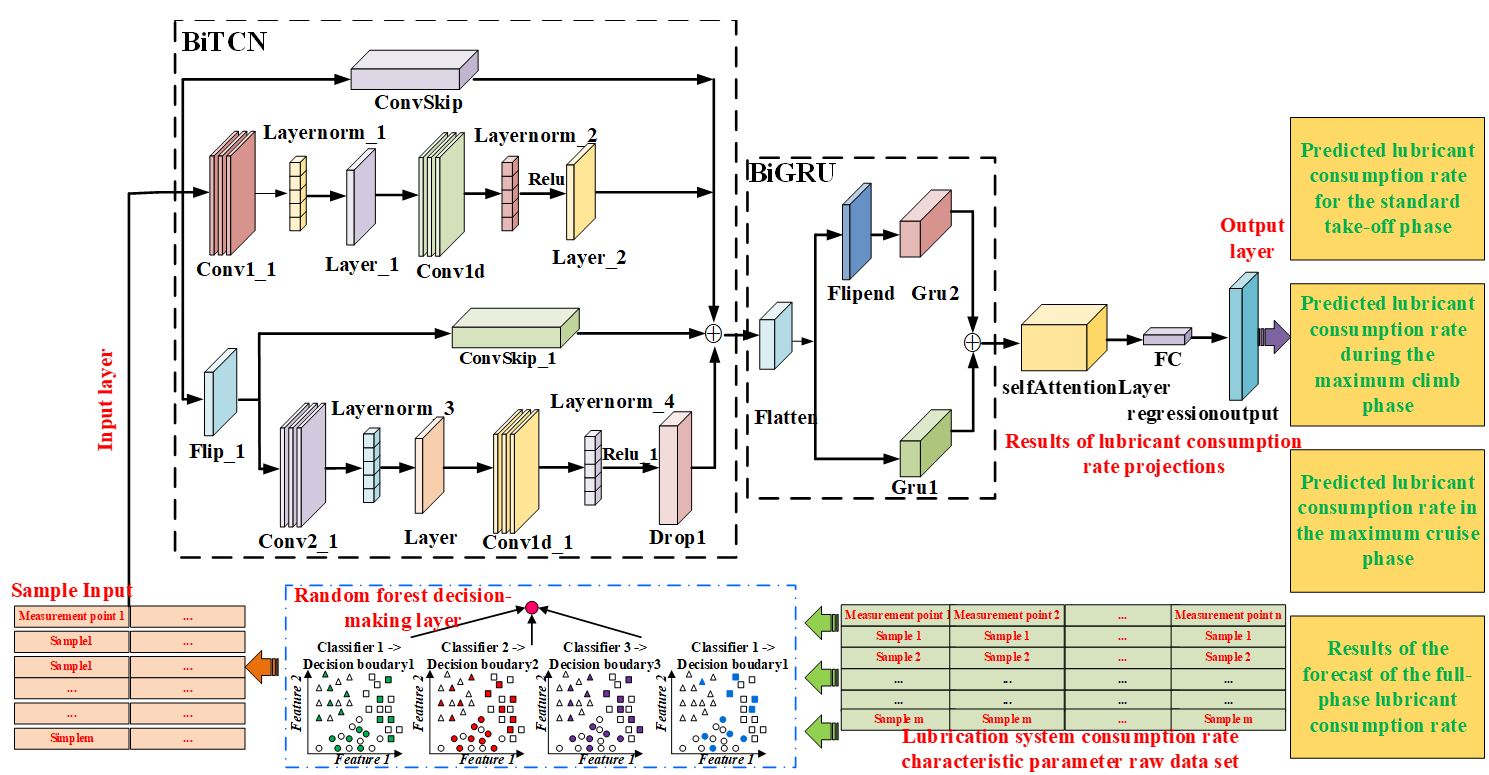
Feature enhancement based aero-engine lubricant consumption prediction: A BiTCN-BiGRU-Attention approach
Alexandria Engineering Journal, 129, 137-167
SCI, JCR Q1, IF 6.4摘要
The aero-engine lubrication system is vital for lubricating, protecting, and cleaning mechanical components under diverse conditions. However, long-term lubricant consumption—due to factors like pipeline damage, bearing cavity leakage, and component fatigue—can degrade system and engine performance. Accurate prediction of lubricant consumption is thus essential for proactive maintenance and improved reliability. To overcome the limitations of existing methods that rely solely on historical data and single-level feature extraction, this paper proposes a multivariate regression algorithm: Bilateral Tree Convolutional Network–Bidirectional Gated Recurrent Unit–Attention (BiTCN-BiGRU-Attention), further optimized by random forest. BiTCN captures bidirectional temporal features to enrich semantics; BiGRU enhances temporal modeling by removing directional constraints; and Attention improves prediction by refining feature weighting. Experiments show the proposed method outperforms baselines, demonstrating strong potential for integration into aero-engine health management systems.
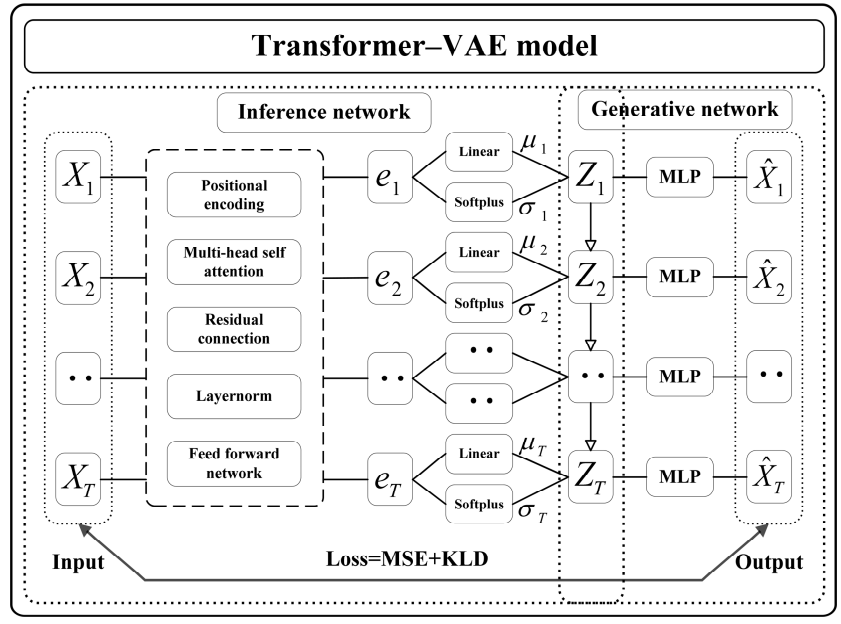
A Transformer–VAE Approach for Detecting Ship Trajectory Anomalies in Cross-Sea Bridge Areas
Journal of Marine Science and Engineering, 13(5), 849
SCI, JCR Q2, IF 3.2摘要
Abnormal ship navigation behaviors in cross-sea bridge waters pose significant threats to maritime safety, creating a critical need for accurate anomaly detection methods. Ship AIS trajectory data contain complex temporal features but often lack explicit labels. Most existing anomaly detection methods heavily rely on labeled or semi-supervised data, thus limiting their applicability in scenarios involving completely unlabeled ship trajectory data. Furthermore, these methods struggle to capture long-term temporal dependencies inherent in trajectory data. To address these limitations, this study proposes an unsupervised trajectory anomaly detection model combining a transformer architecture with a variational autoencoder (transformer–VAE). By training on large volumes of unlabeled normal trajectory data, the transformer–VAE employs a multi-head self-attention mechanism to model both local and global temporal relationships within the latent feature space. This approach significantly enhances the model’s ability to learn and reconstruct normal trajectory patterns, with reconstruction errors serving as the criterion for anomaly detection. Experimental results show that the transformer–VAE outperforms conventional VAE and LSTM–VAE in reconstruction accuracy and achieves better detection balance and robustness compared to LSTM–-VAE and transformer–GAN in anomaly detection. The model effectively identifies abnormal behaviors such as sudden changes in speed, heading, and trajectory deviation under fully unsupervised conditions. Preliminary experiments using the POT method validate the feasibility of dynamic thresholding, enhancing the model’s adaptability in complex maritime environments. Overall, the proposed approach enables early identification and proactive warning of potential risks, contributing to improved maritime traffic safety.
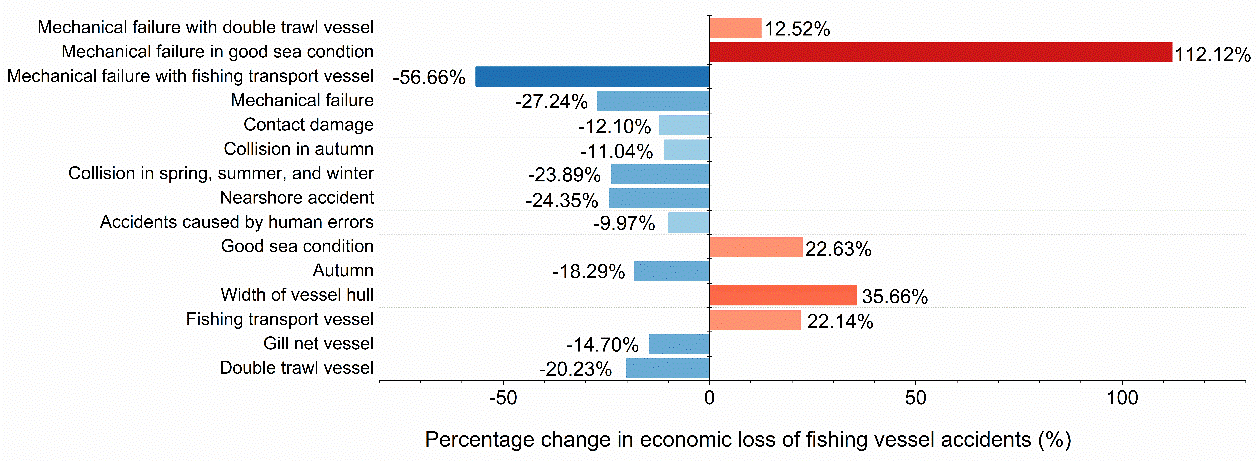
Modeling economic loss associated with fishing vessel accidents: A Bayesian random-parameter generalized beta of the second kind model with heterogeneity in means
Analytic Methods in Accident Research, 46, 100384
SSCI, JCR Q1, IF 10.7摘要
The distribution of economic loss associated with vessel accidents typically exhibits non-negative, continuous, positively skewed, and heavy-tailed characteristics. Another challenge in analyzing fishing vessel accidents is the absence of relevant factors. Ignoring such heterogeneity caused by unobserved factors potentially leads to inaccurate inferences. In the present study, a novel Bayesian random-parameter generalized beta of the second kind (GB2) model with possible heterogeneity in means and variances was developed. The flexible GB2 distribution was harnessed to model the skewed and heavy-tailed response variable, and the random parameters were specified to capture the unobserved heterogeneity. The proposed method was validated using an insurance claim dataset with 3,448 fishing vessel accidents within Ningbo waters during 2018–2022. The proposed model successfully identified significant influential factors, including fixed parameters, random parameters, and covariates influencing the means of the random parameters. Specifically, offshore and inevitable accidents, fishing transport vessels, double-trawl vessels with mechanical failures, wide-hulled vessels, and favorable sea conditions were associated with greater economic loss. Special attention should also be paid to nighttime accidents involving steel-hulled fishing transport vessels, as this accident type emerged to result in greater loss during the pandemic lockdown period. Our approach can accommodate the abnormality, skewness, and heavy-tail of vessel accident loss data, adjust for the bias introduced by unobserved factors, and uncover the interactive relationship among covariates. Targeted countermeasures were proposed to mitigate economic loss resulting from fishing vessel accidents.
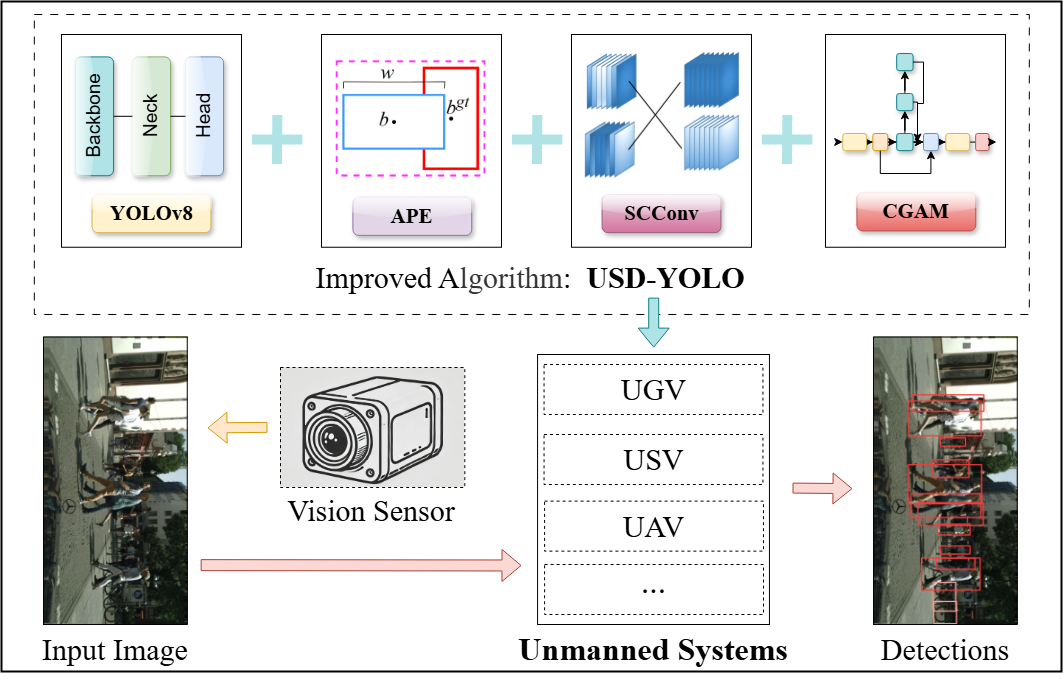
USD-YOLO: An Enhanced YOLO Algorithm for Small Object Detection in Unmanned Systems Perception
Applied Sciences, 15(7), 3795
SCI, JCR Q2, IF 2.9摘要
In the perception of unmanned systems, small object detection faces numerous challenges, including small size, low resolution, dense distribution, and occlusion, leading to suboptimal perception performance. To address these issues, we propose a specialized algorithm named Unmanned-system Small-object Detection-You Only Look Once (USD-YOLO). First, we designed an innovative module called the Anchor-Free Precision Enhancer to achieve more accurate bounding box overlap measurements and provide a smarter processing mechanism, thereby improving the localization accuracy of candidate boxes for small and densely distributed objects. Second, we introduced the Spatial and Channel Reconstruction Convolution module to reduce redundancy in spatial and channel features while extracting key features of small objects. Additionally, we designed a novel C2f-Global Attention Mechanism module to expand the receptive field and capture more contextual information, optimizing the detection head’s ability to handle small and low-resolution objects. We conducted extensive experimental comparisons with state-of-the-art models on three mainstream unmanned system datasets and a real unmanned ground vehicle. The experimental results demonstrate that USD-YOLO achieves higher detection precision and faster speed. On the Citypersons dataset, compared with the baseline, USD-YOLO improves mAP50-95, mAP50, and Recall by 8.5%, 5.9%, and 2.3%, respectively. Additionally, on the Flow-Img and DOTA-v1.0 datasets, USD-YOLO improves mAP50-95 by 2.5% and 2.5%, respectively.
Distance-informed Neural Eikonal Solver for reactive dynamic user-equilibrium of macroscopic continuum traffic flow model
IEEE Transactions on Intelligent Transportation Systems, 26(6), 8162-8177
SCI, JCR Q1, CCF B, IF 9.1摘要
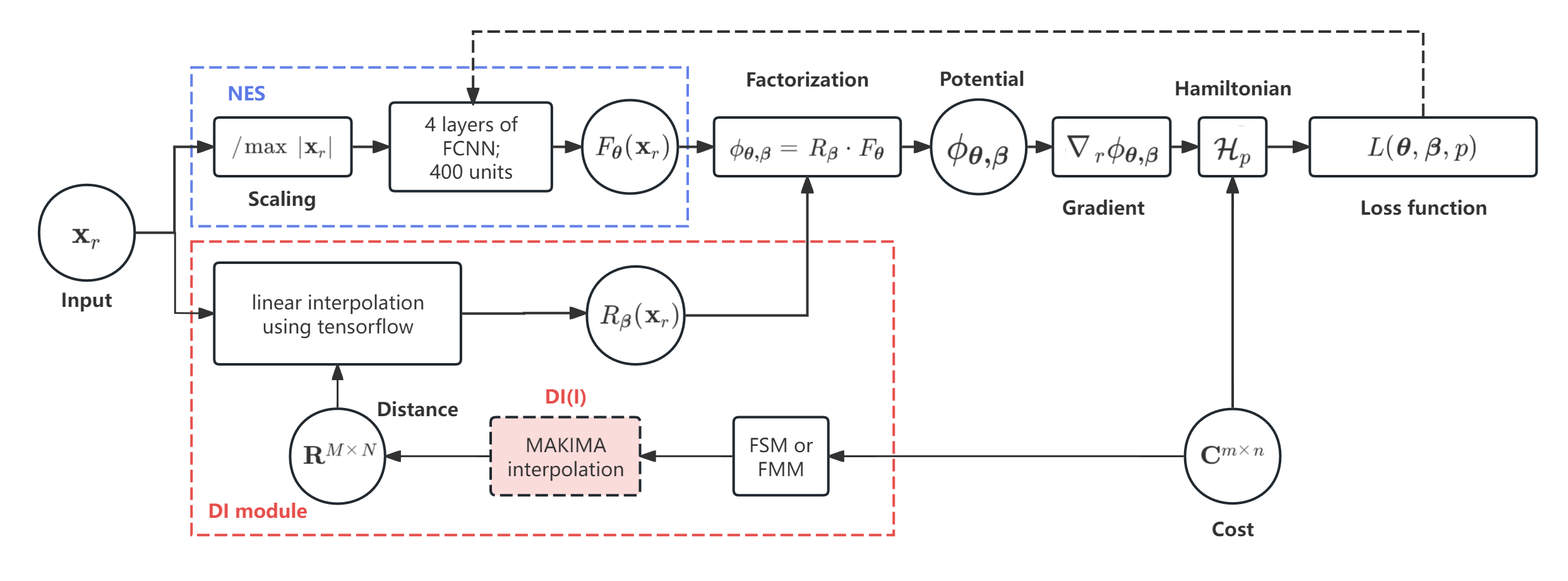
This paper revisits the Reactive Dynamic User-Equilibrium (RDUE) model for dynamic traffic assignment (DTA) of macroscopic traffic flow in two-dimensional continuum space, focusing on the Eikonal equation—a crucial partial differential equation (PDE) with specific boundary conditions. Traditionally, solving Eikonal equations has relied on iterative numerical methods through the discretization of the continuum space. However, this discretization compromises the precision of numerical solutions and could lead to non-convergence issues during iterative processes. This study refers to Physics-Informed Neural Networks (PINNs) and develops the Distance-Informed Neural Eikonal Solver (NES-DI) for solving Reactive Dynamic User-Equilibrium models. While the previously proposed Neural Eikonal Solver (NES) performs badly in a strong heterogeneous cost field with large cost differences, NES-DI explicitly considers the influence of solid boundaries during the factorization process by incorporating accurate distance information. Numerical examples of RDUE at both the static and dynamic levels are presented to illustrate the performance and applications of the NES-DI framework. The results demonstrate that NES-DI greatly outperforms both NES and the fast sweeping method. Moreover, NES-DI overcomes the limitations of discretization, enabling predictions of solutions at arbitrary locations within the computational domain. At the dynamic level, transfer learning is employed to leverage historical solutions to solve RDUE problems more efficiently. Overall, NES-DI shows the potential of solving reactive dynamic problems with strong heterogeneity, which offers a promising alternative to discretization-reliant numerical methods.
Text as data: narrative mining of non-collision injury incidents on public buses by structural topic modeling
Travel Behaviour and Society, 39, 100981
SSCI, JCR Q1, IF 5.8摘要
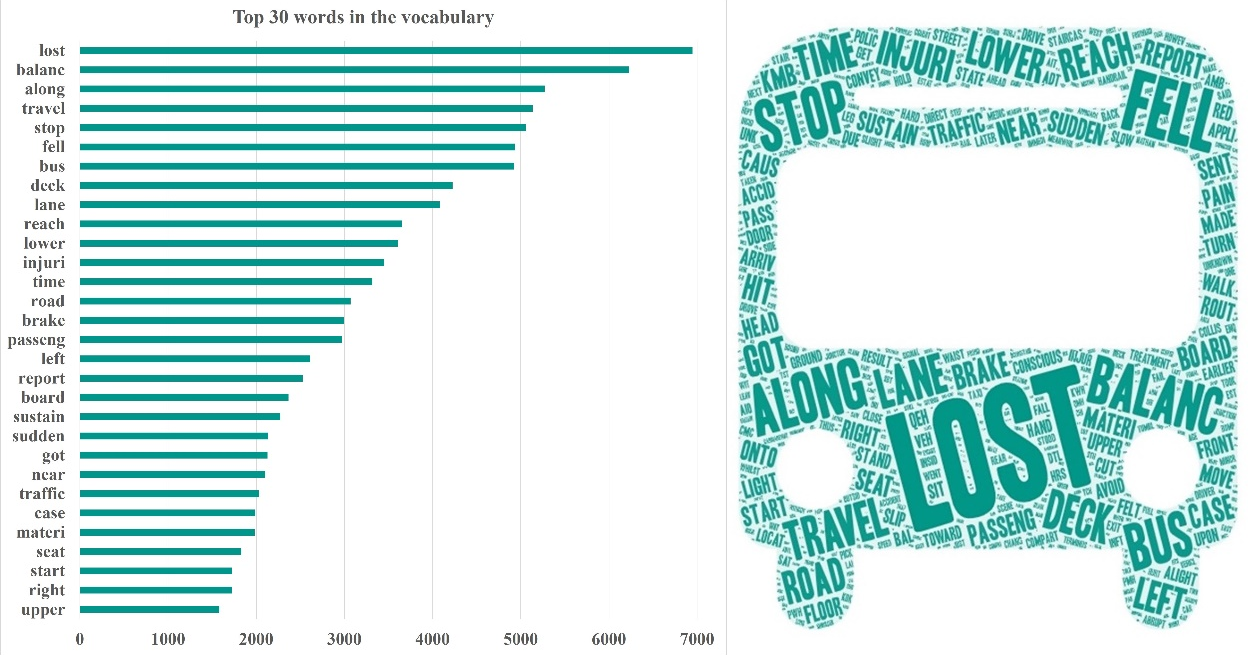
Introduction: Although numerous studies have investigated collisions involving public buses, there has been inadequate research on passenger injuries caused by non-collision incidents on public buses. One major obstacle is that the manual extraction of thematic information from massive document repositories is exceedingly labor intensive, cumbersome, and inaccurate. Our study thereby illustrated how to automatically characterize non-collision injury incidents on public buses by fusing advanced language processing techniques and large-scale incident reports. Methods: Based on the 12,823 textural narratives recorded by police during 2010-2019 in Hong Kong, the structural topic modeling was developed to uncover underlying themes, quantify topic prevalence, and portray complex interconnectedness. Results: Thirty-three topics were successfully labeled, with the topic stand and lost balance being the most prevalent. Non-collisions were more likely to result in serious consequences when incidents occurred because the bus skidded, when a passenger was boarding, and when a standing passenger lost the balance. Six unique patterns were uncovered, i.e., the failure to hold handrails accompanied by inappropriate behaviors of bus drivers when approaching bus stations, loss of balance among standing passengers due to the sharp braking of bus drivers in response to red traffic lights ahead, alighting passengers being hit by the door, passengers falling while climbing staircases, passengers being injured because of bus driver’s emergency maneuvers to avoid collisions with nearside pedestrians, and passengers being injured due to the careless lane-changing of bus drivers when weaving through roundabouts. Conclusions: By leveraging the emerging text mining techniques, unstructured narratives written by the police can provide valuable and organized information for regular injury surveillance. Tailor-made countermeasures were proposed to prevent non-collision injury incidents on public buses.
2024
SmartPL: An integrated approach for platoons driving on mixed-traffic freeways
The 31st International Conference on Neural Information Processing (ICONIP 2024), Auckland, New Zealand
CCF C, EI
Exploring the influence of pedestrian attitude, propensity, and risk perception on gap acceptance between platooning autonomous trucks
The 27th IEEE International Conference on Intelligent Transportation Systems (ITSC 2024), Edmonton, Canada
EI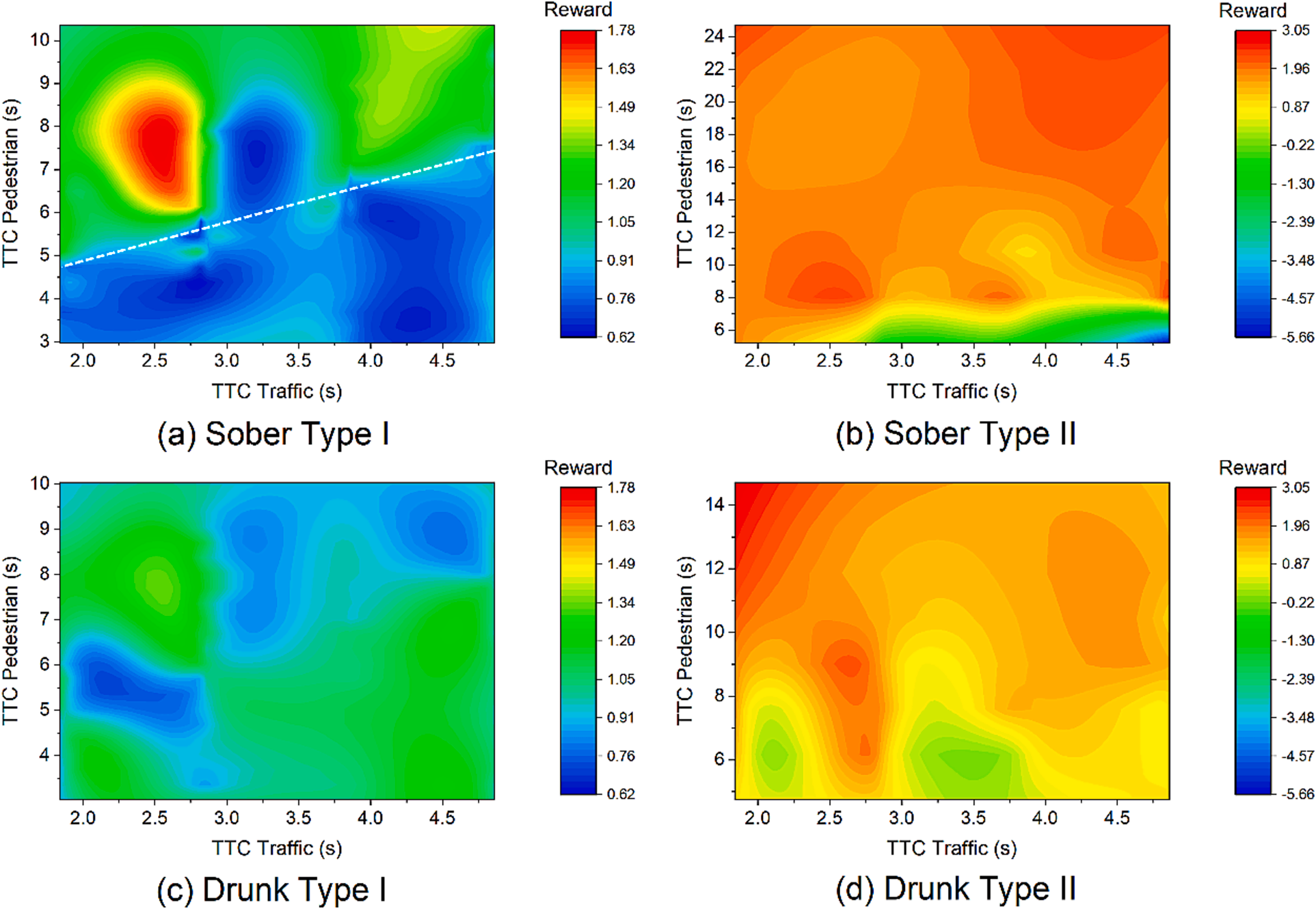
Safety or efficiency? Estimating crossing motivations of intoxicated pedestrians by leveraging the inverse reinforcement learning
Travel Behaviour and Society, 35, 100760
SSCI, JCR Q1, IF 5.8摘要
Background: Intoxicated pedestrians are particularly vulnerable while crossing roads because of their impaired cognitive and decision-making abilities. A deeper understanding of the crossing behaviors of pedestrians under the influence serves as the foundations for formulation of tailor-made countermeasures. Methods: In this study an experiment based on the immersive virtual reality was conducted, by which 53 samples of Hong Kong pedestrians’ crossing trajectories before and after alcohol intake were collected. The K-means algorithm was first used to classify pedestrians into two distinct types, namely the risky and cautious, according to the post-encroachment time during all street crossings. The cutting-edging inverse reinforcement learning was then harnessed to uncover the safety and efficiency motivations underlying crossing behaviors impacted by alcohol. The results were validated by comparing the observed behaviors with those generated by reinforcement learning. Results: Our results revealed substantial differences in safety and efficiency motivations between the two types of pedestrians. Notably, the cautious type emphasized safety more than the risky. Under the influence of alcohol, both types of pedestrians exhibited a shift in motivations from safety to efficiency. In addition, road markings hardly influenced pedestrian crossing motivations, whereas traffic directions significantly altered the motivations of cautious pedestrians under sober conditions. Conclusions: Our study sheds more lights on unobserved motivations guiding crossing behaviors of pedestrians under the influence. The inverse reinforcement learning is proven promising in imitating complex pedestrian crossing behaviors under a quantifiable, reliable manner.
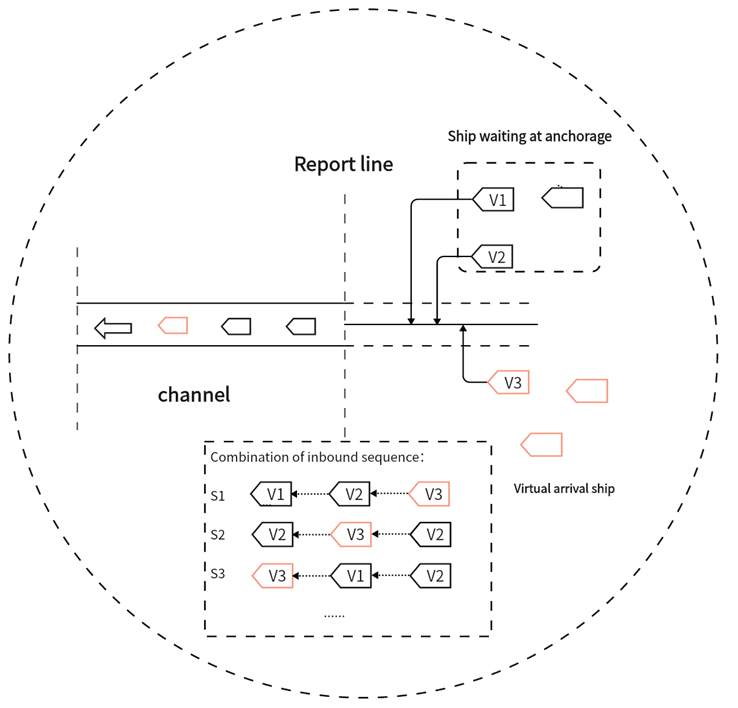
A Novel virtual arrival optimization method for traffic organization scenarios
Sustainability, 16(1), 403
SCI/SSCI, JCR Q2, IF 4.12023
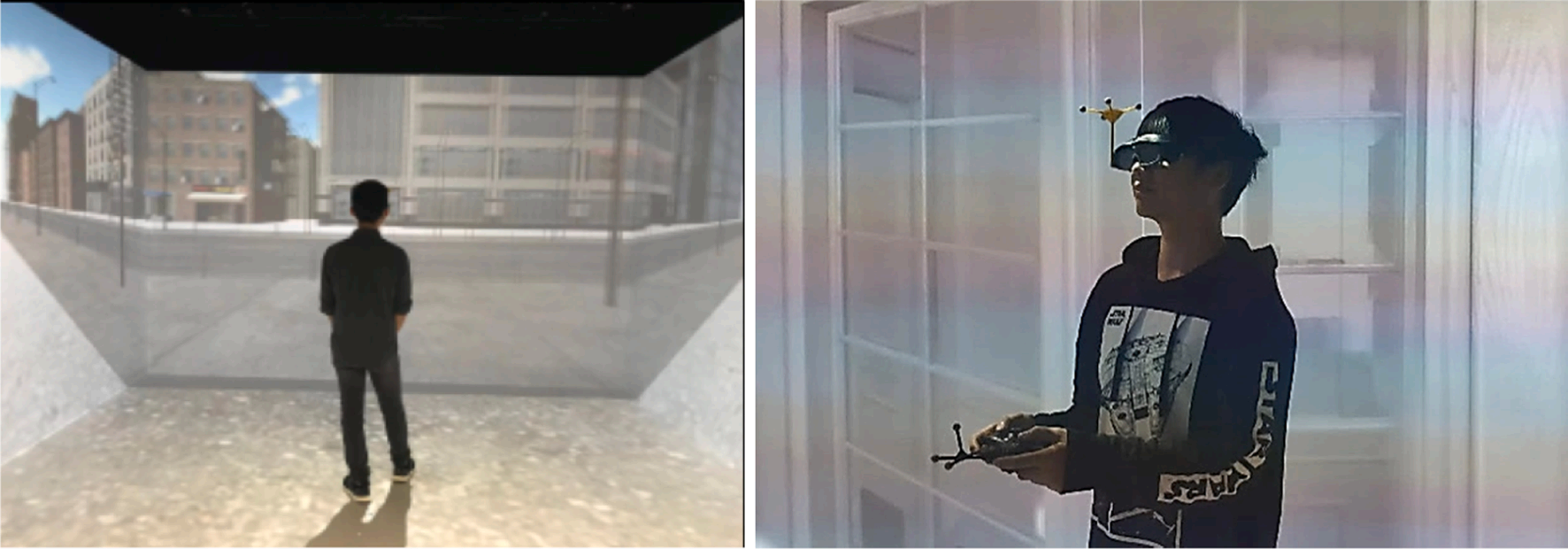
Crossing behaviors of drunk pedestrians unfamiliar with local traffic rules
Safety Science, 157, 105924
SCI, JCR Q1, IF 6.2摘要
Statistics indicate that alcohol consumption is heavily involved in tourism, with tourists likely to consume more alcohol than usual when visiting other countries. The risk of traffic collisions is also expected to increase when tourists are exposed to different traffic rules to those of their home country. To explore the crossing behaviors of drunk pedestrians under unfamiliar traffic rules, a virtual reality–based experiment was conducted in this study. The street crossing performances of 53 local pedestrians under different traffic rules, either familiar or unfamiliar to them, before and after alcohol intake were studied. Random-effect regression models were then established, which revealed that the perceptual-motor response was undermined by the effects of alcohol, particularly for young adults. In addition, aspects of the street environment, such as the unfamiliar direction of oncoming vehicles and the presence of traffic direction indicators (i.e., road markings), also contributed to the correct habitual looking behavior of pedestrians. Importantly, these findings clarify the negative effects of alcohol intake on pedestrian crossing performance under unfamiliar traffic rules and provide a basis for foreign travelers and policy makers to mitigate this problem.
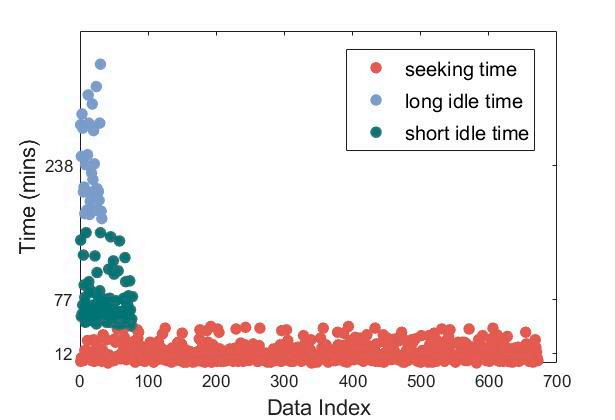
Effects of aging on taxi service performance: A comparative study based on different age groups
Sustainability, 15(22), 16096
SCI/SSCI, JCR Q2, IF 4.1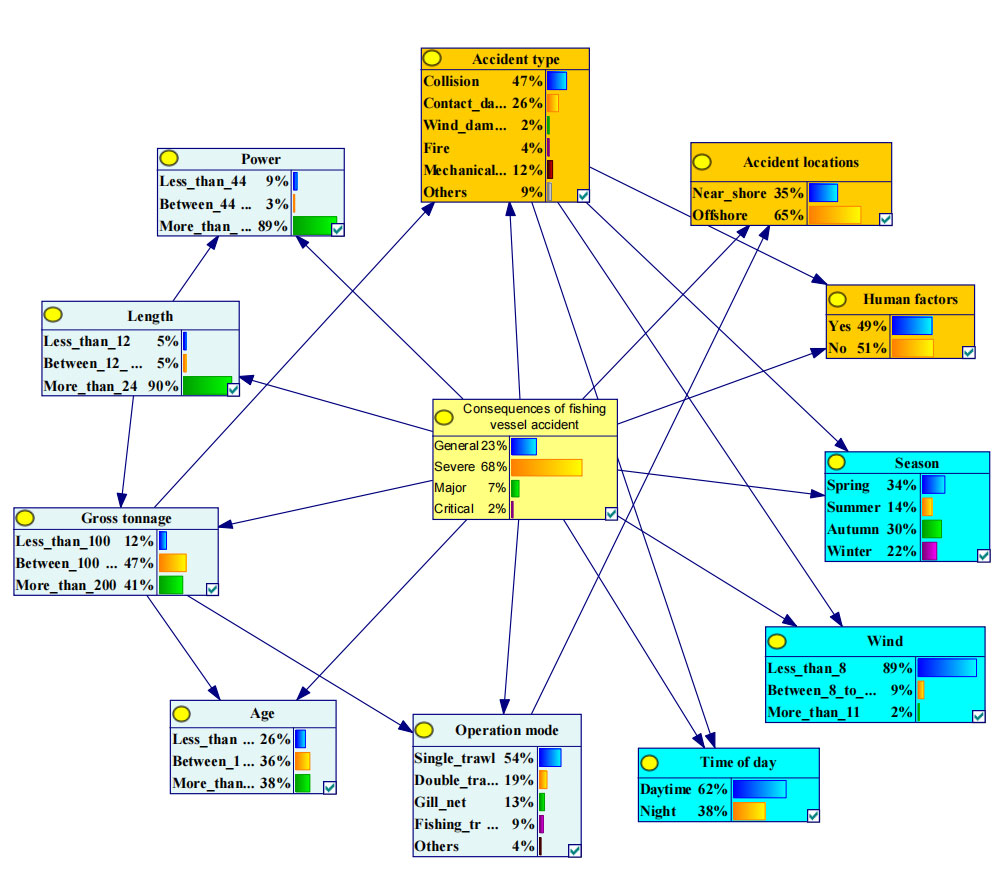
Identification of risk influential factors for fishing vessel accidents using claims data from fishery mutual insurance association
Sustainability, 15(18), 13427
SCI/SSCI, JCR Q2, IF 4.12021
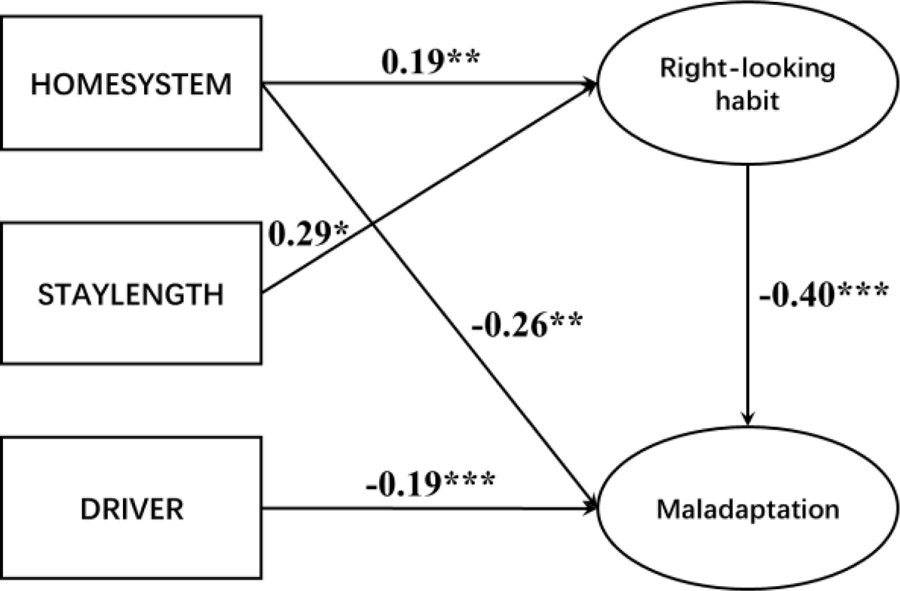
Right-looking habit and maladaptation of pedestrians in areas with unfamiliar driving rules
Accident Analysis & Prevention, 150, 105921
SSCI, JCR Q1, IF 7.4摘要
Both left-driving (LD) and right-driving (RD) rules are used around the world. When traveling to places with different driving rules, pedestrians are likely to make mistakes. To investigate the frequency of such mistakes, a case study was conducted with pedestrians in Hong Kong, which follows LD rules, i.e., traffic drives on the left. The study aimed to probe the effects of hometown driving rules and length of stay on pedestrians’ right-looking habit and maladaptation to the Hong Kong LD system and determine the mediating effect of the right-looking habit. A face-to-face survey was conducted with 581 respondents at seven locations in Hong Kong. A structural equation model was applied to determine the relationship among hometown driving rules, length of stay, right-looking habit, and maladaptation. The model exhibited good fitness. The results revealed that hometown driving rules and length of stay had positive effects on the right-looking habit, and hometown driving rules had a direct negative effect on maladaptation. The right-looking habit partially mediated the effect of hometown driving rules and fully mediated the effect of length of stay on maladaptation to the Hong Kong LD system. It was found that when foreign pedestrians were in areas with unfamiliar driving rules, they tended to practice their hometown looking habits, especially foreign pedestrians who had stayed only for a short time; this behavior differed significantly from that of local pedestrians, and it led to more severe maladaptation. The findings of this study provide empirical evidence of pedestrians’ looking habits and maladaptation in areas with unfamiliar driving systems and have significant implications for improving the safety of foreign pedestrians.
2020
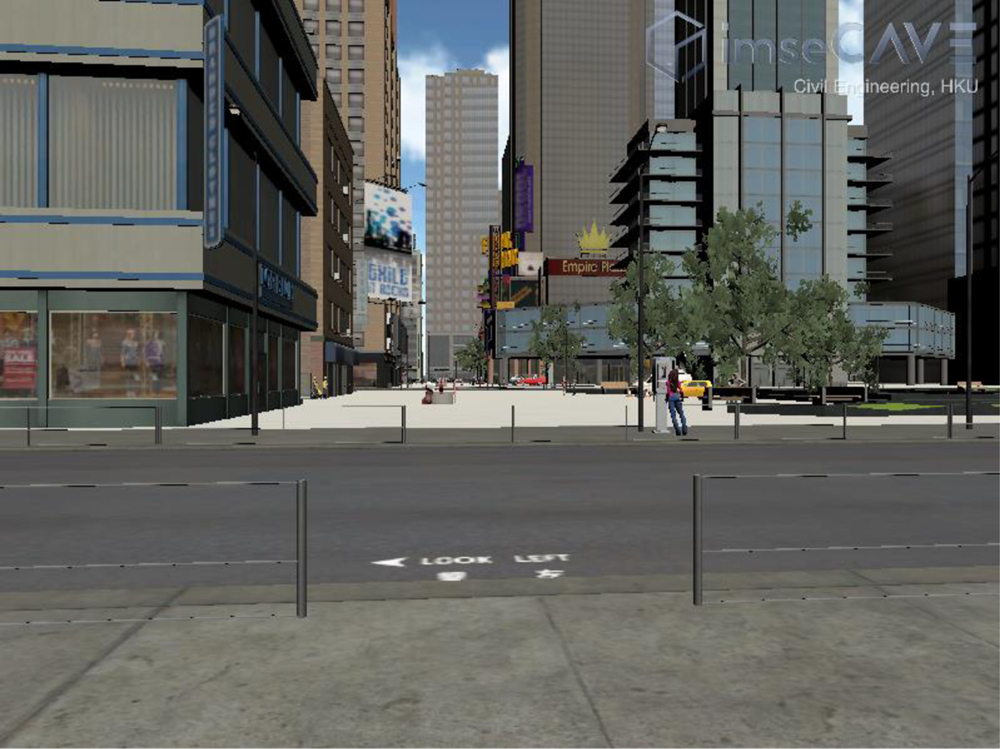
Risks to pedestrians in traffic systems with unfamiliar driving rules: A virtual reality approach
Accident Analysis & Prevention, 142, 105565
SSCI, JCR Q1, IF 7.4摘要
In this study, a virtual-reality (VR) pedestrian simulation method was used to evaluate the risks to pedestrians crossing streets in a traffic system with driving rules that were unfamiliar to them. Pedestrians from mainland China (which has a right-side driving (RD) system) and Hong Kong (which has a left-side driving (LD) system) were studied. Significant differences were observed between pedestrians from the different locations in terms of the direction in which the pedestrians habitually first looked before crossing. When exposed to an unfamiliar driving rule (i.e., traffic coming from an inconsistent direction in terms of participants’ habitual driving system), the odds of participants from mainland China making an error in their looking behavior were 2.93 times those when exposed to a familiar driving rule. Road markings and traffic sound did not improve these participants’ looking behavior. The results also show a negative correlation between inattentive looking behavior and time to collision (significant at the 1% level), as these errors lead to a shorter time to collision and increased the risk to pedestrians. The results of this study confirmed the risks for pedestrians traveling to places with unfamiliar driving rules and confirmed the existence of habitual looking behavior, and therefore provide evidence of the need for future studies to improve this problem. These may help decision makers take the risks of pedestrians from different driving rules into consideration in future traffic policymaking or traffic-facility improvements. The use of a VR simulation-based approach in this study provided a safe and controllable way to trial interventions and potential improvements without risking injury to participants, and thus may also be used for similar future studies.